D2
What is D2?
D2, also known as Vitamin D2 or ergocalciferol, is a form of vitamin D. It is produced by plants and fungi when exposed to ultraviolet (UV) light. It is often added to foods to increase their vitamin D content.
Is D2 vegan?
D2 is not animal-derived. Products that contain it can still include other animal-derived ingredients, so check the full ingredient list.
Is D2 gluten-free?
It does not contain gluten.
Is D2 a major allergen?
Vitamin D2 is not derived from any of the 9 FDA major allergens.
What is D2 used for?
Manufacturers add D2 to foods to fortify them with vitamin D, which is important for bone health.
Is D2 safe?
Vitamin D2 is permitted for use in the U.S. food supply.
Why it's used
Manufacturers add D2 to foods to fortify them with vitamin D, which is important for bone health. It is commonly found in fortified milk, plant-based milk alternatives, cereals, and some juices. It functions as a nutrient.
Health notes
Vitamin D2 is permitted for use in the U.S. food supply. The U.S. National Academies have established a Tolerable Upper Intake Level (UL) for vitamin D. Both the Joint FAO/WHO Expert Committee on Food Additives (JECFA) and the European Food Safety Authority (EFSA) have evaluated vitamin D2. Some studies suggest that vitamin D2 may be less effective at raising and maintaining blood vitamin D levels compared to vitamin D3, but it is still considered a source of vitamin D.
Allergen info
Vitamin D2 is not derived from any of the 9 FDA major allergens. It does not contain gluten.
Foods that contain D2
Compare products →
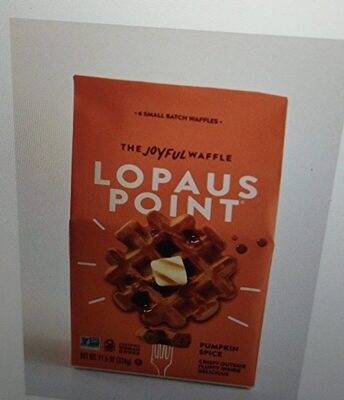
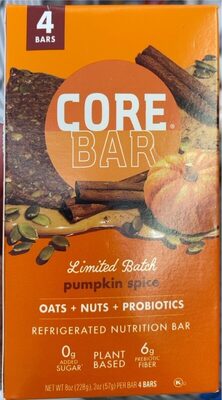
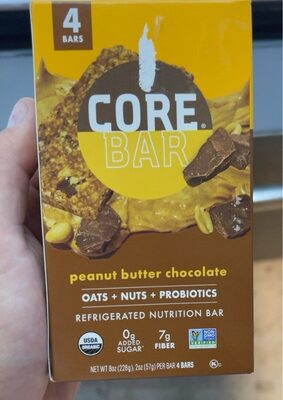
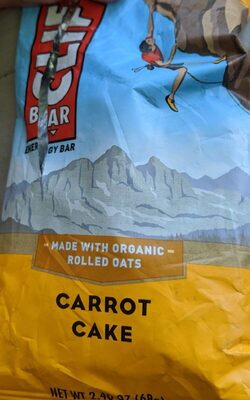
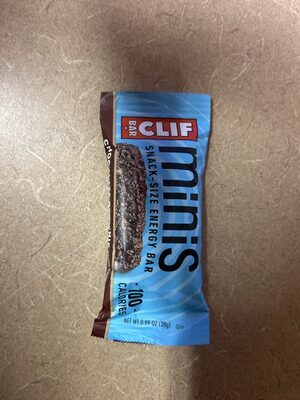
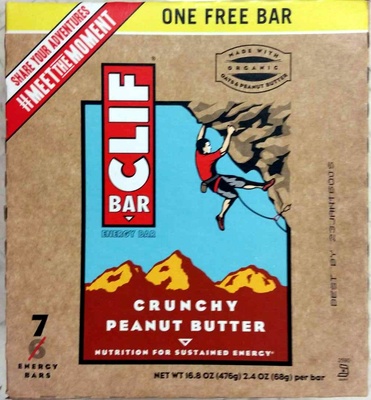
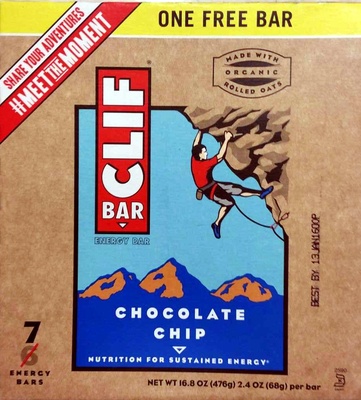
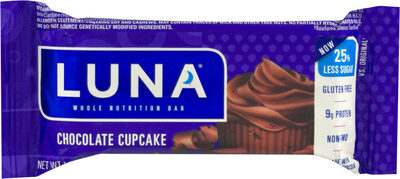
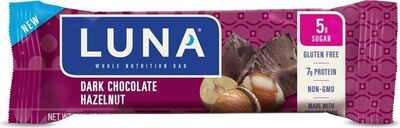
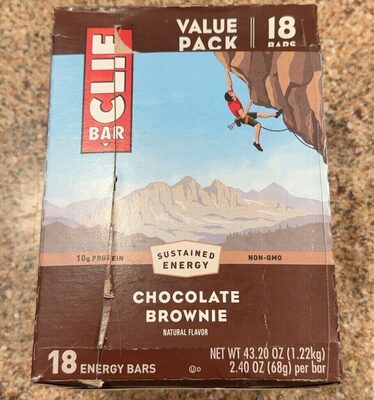
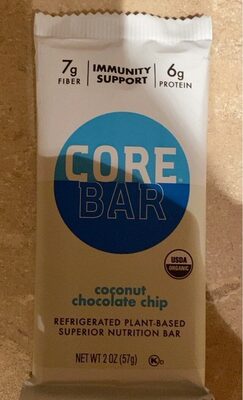
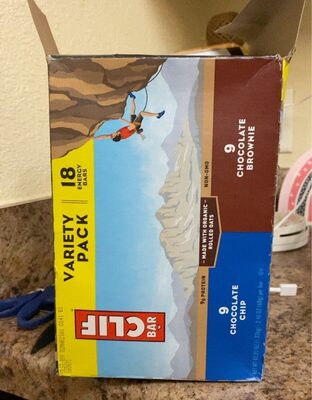
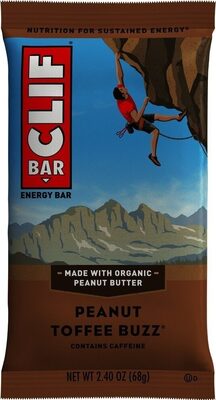
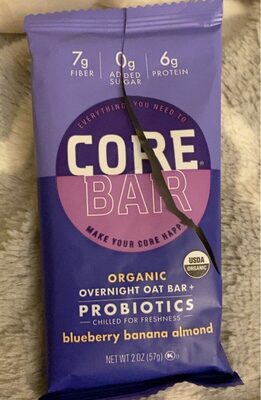
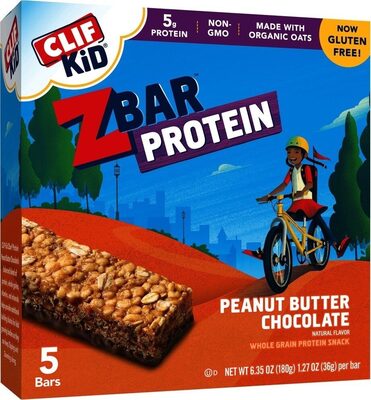
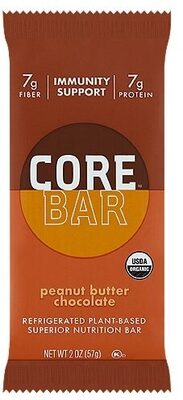 Core Bar
Peanut Butter Chocolate Bar, Peanut Butter; Chocolate
386kcal
12.3Protein
17.5Fat
54.4Carbs
Learn more
Auto-generated content. This description was generated automatically and is pending editorial review. Inaccuracies are possible. Found a mistake? Contact us.