Dark Rum
What is Dark Rum?
Dark rum is an alcoholic beverage made from fermented sugarcane juice or molasses. It is typically aged in wooden barrels, which gives it its characteristic dark color and complex flavor profile. The aging process can range from a few years to several decades.
Is Dark Rum gluten-free?
It does not contain gluten.
Is Dark Rum a major allergen?
Dark rum is not derived from any of the nine FDA major allergens.
What is Dark Rum used for?
Manufacturers add dark rum to foods primarily for its distinct flavor.
Is Dark Rum safe?
Dark rum is considered a food ingredient when used in small amounts for flavoring.
Why it's used
Manufacturers add dark rum to foods primarily for its distinct flavor. It is often used in desserts like ice cream, cakes, and cookies, as well as in savory dishes and sauces to add depth and a hint of sweetness. It can also be used in marinades and glazes.
Health notes
Dark rum is considered a food ingredient when used in small amounts for flavoring. The FDA generally recognizes alcoholic beverages as safe for consumption in moderation. International bodies like JECFA have evaluated alcohol and its effects, noting potential health risks associated with excessive intake, while also acknowledging moderate consumption may have certain associations. Evidence on specific health impacts from the small amounts used in food flavoring is limited.
Allergen info
Dark rum is not derived from any of the nine FDA major allergens. It does not contain gluten.
Foods that contain Dark Rum
Compare products →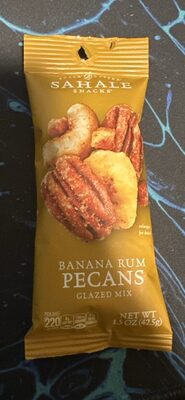
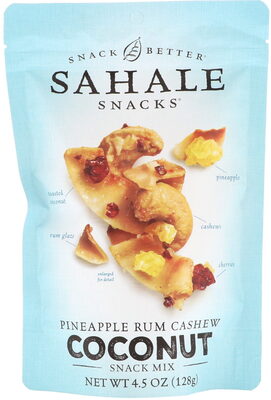
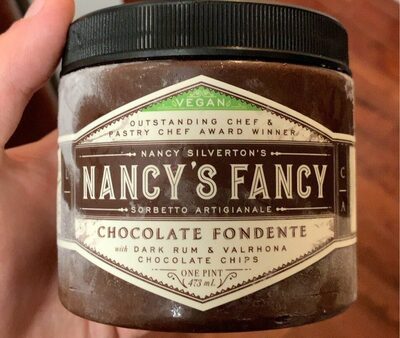

Learn more
Auto-generated content. This description was generated automatically and is pending editorial review. Inaccuracies are possible. Found a mistake? Contact us.