De-fatted Soy Flour
What is De-fatted Soy Flour?
De-fatted soy flour is made from soybeans after most of the oil has been removed. The soybeans are cleaned, dehulled, and then milled into a fine powder. It is a source of protein and fiber.
Is De-fatted Soy Flour vegan?
De-fatted Soy Flour is not animal-derived. Products that contain it can still include other animal-derived ingredients, so check the full ingredient list.
Is De-fatted Soy Flour a major allergen?
Soy is one of the 9 major allergens identified by the FDA.
What is De-fatted Soy Flour used for?
De-fatted soy flour is used as a thickener and binder in sauces, dressings, and processed meats.
Is De-fatted Soy Flour safe?
De-fatted soy flour is generally recognized as safe (GRAS) by the FDA for use in food.
Why it's used
De-fatted soy flour is used as a thickener and binder in sauces, dressings, and processed meats. It can also add protein and improve texture in baked goods and snack foods. Its neutral flavor makes it versatile in many food applications.
Health notes
De-fatted soy flour is generally recognized as safe (GRAS) by the FDA for use in food. Soy is a source of isoflavones, which are plant compounds that have been studied for various health effects. Research on the health impacts of soy consumption, including isoflavones, has yielded mixed results, and regulatory bodies like EFSA have evaluated soy products. JECFA has also evaluated soy protein.
Allergen info
Soy is one of the 9 major allergens identified by the FDA. This ingredient is derived from soy.
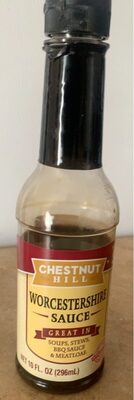
Foods that contain De-fatted Soy Flour
Compare products →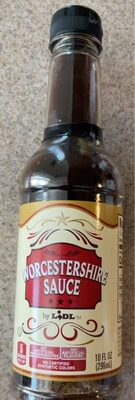
Learn more
Auto-generated content. This description was generated automatically and is pending editorial review. Inaccuracies are possible. Found a mistake? Contact us.