Dehydrated Basil
What is Dehydrated Basil?
Dehydrated basil is dried basil leaves, an herb from the mint family. The leaves are harvested and then dried using methods like air drying or dehydration machines to remove moisture, which helps preserve them and concentrate their flavor.
Is Dehydrated Basil vegan?
Dehydrated Basil is not animal-derived. Products that contain it can still include other animal-derived ingredients, so check the full ingredient list.
Is Dehydrated Basil gluten-free?
It does not contain gluten.
Is Dehydrated Basil a major allergen?
Basil is not one of the 9 FDA major allergens.
What is Dehydrated Basil used for?
Dehydrated basil is used to add a distinct, slightly sweet, peppery flavor to foods.
Is Dehydrated Basil safe?
Dehydrated basil is generally recognized as safe (GRAS) by the FDA for use as a flavoring agent.
Why it's used
Dehydrated basil is used to add a distinct, slightly sweet, peppery flavor to foods. It is commonly found in tomato-based sauces, pasta dishes, soups, salad dressings, and seasoned bread.
Health notes
Dehydrated basil is generally recognized as safe (GRAS) by the FDA for use as a flavoring agent. It is a source of antioxidants and various nutrients. International bodies like JECFA have evaluated basil and its extracts, but no specific numeric limits were set for general use. Evidence does not suggest adverse health effects from typical dietary consumption.
Allergen info
Basil is not one of the 9 FDA major allergens. It does not contain gluten.
Foods that contain Dehydrated Basil
Compare products →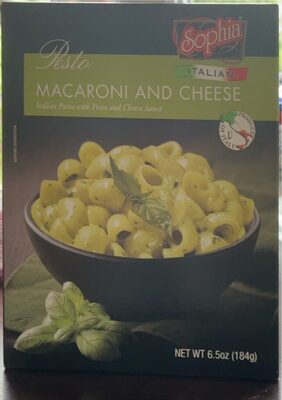
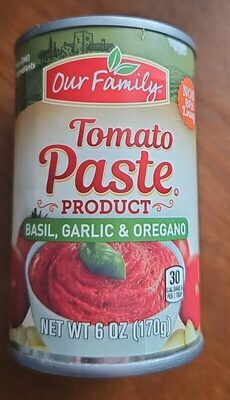
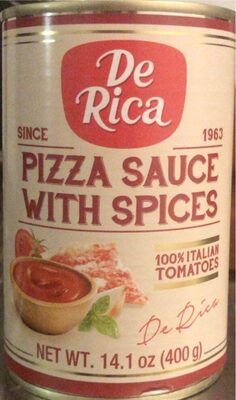
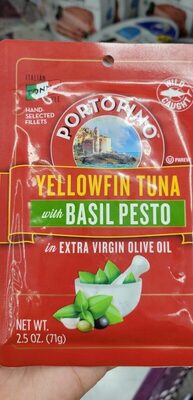
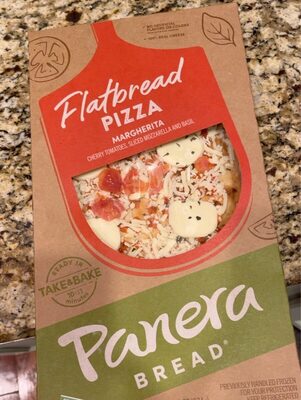
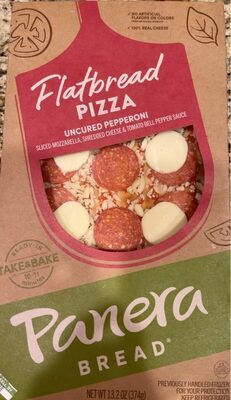
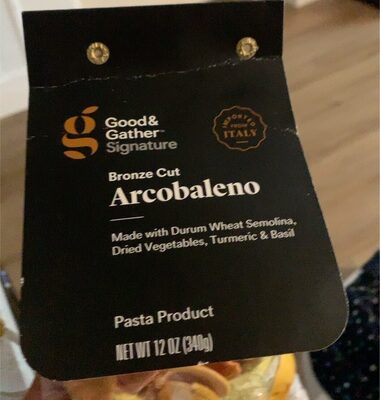
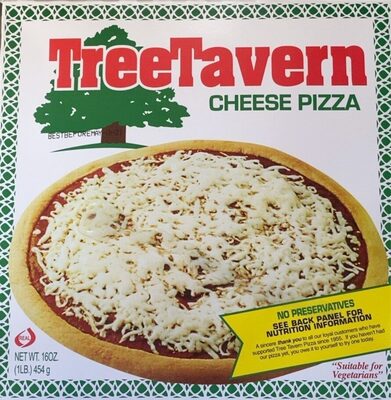
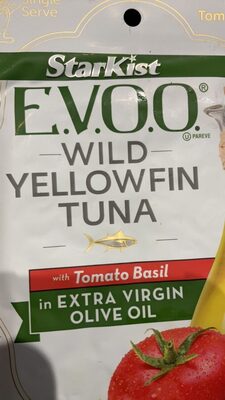
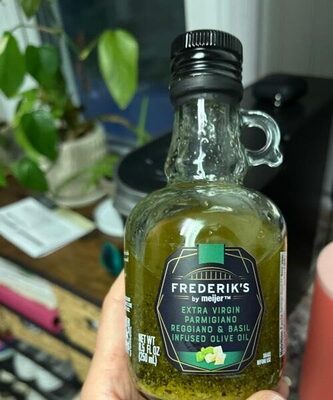
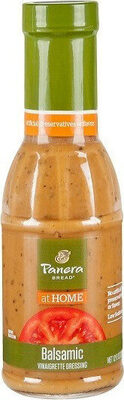
Learn more
Auto-generated content. This description was generated automatically and is pending editorial review. Inaccuracies are possible. Found a mistake? Contact us.