Dehydrated Bok Choy
What is Dehydrated Bok Choy?
Dehydrated bok choy is a type of Chinese cabbage that has been dried to remove most of its water content. This process concentrates its flavor and extends its shelf life. It is often used in Asian cuisine.
Is Dehydrated Bok Choy vegan?
Dehydrated Bok Choy is not animal-derived. Products that contain it can still include other animal-derived ingredients, so check the full ingredient list.
Is Dehydrated Bok Choy gluten-free?
It does not contain gluten.
Is Dehydrated Bok Choy a major allergen?
Bok choy is not one of the nine major allergens recognized by the FDA.
What is Dehydrated Bok Choy used for?
Dehydrated bok choy is used to add a mild, slightly bitter vegetable flavor and texture to packaged foods.
Is Dehydrated Bok Choy safe?
Dehydrated bok choy is generally recognized as safe (GRAS) by the FDA for use in food.
Why it's used
Dehydrated bok choy is used to add a mild, slightly bitter vegetable flavor and texture to packaged foods. It is commonly found in instant noodle dishes, soups, and other dried meal mixes where it rehydrates during cooking.
Health notes
Dehydrated bok choy is generally recognized as safe (GRAS) by the FDA for use in food. It is a source of vitamins and minerals, though amounts are reduced by drying. JECFA has evaluated bok choy and found it to be safe. No significant health concerns are associated with its consumption at typical dietary levels.
Allergen info
Bok choy is not one of the nine major allergens recognized by the FDA. It does not contain gluten.
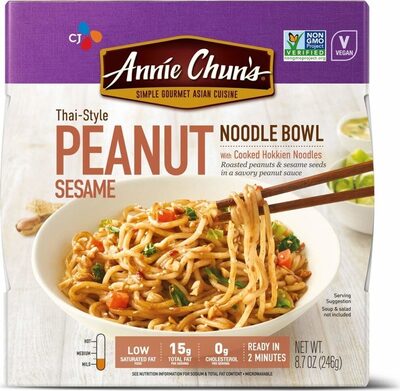
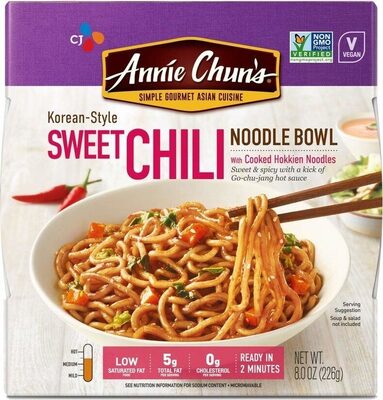
Foods that contain Dehydrated Bok Choy
Compare products →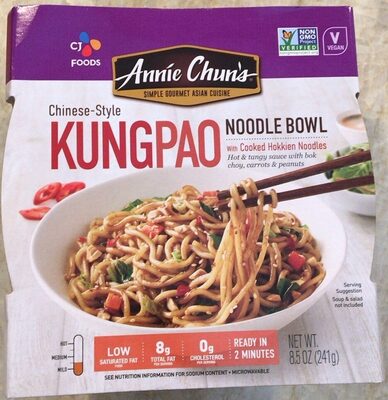
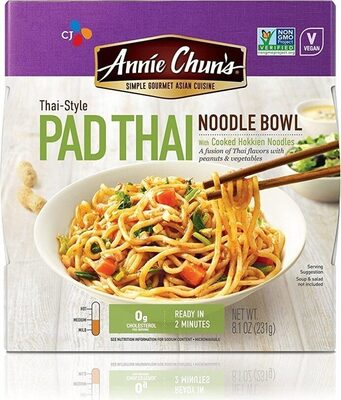
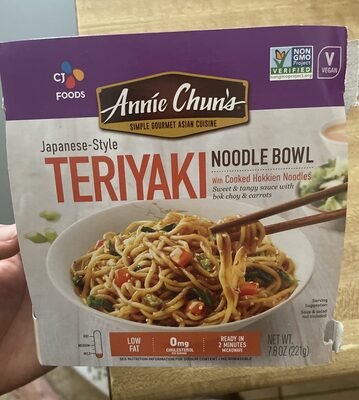
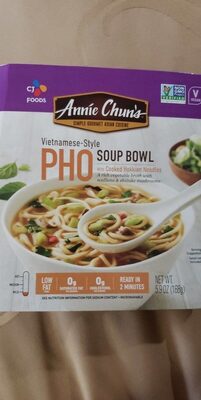
Auto-generated content. This description was generated automatically and is pending editorial review. Inaccuracies are possible. Found a mistake? Contact us.