Dehydrated Mango
What is Dehydrated Mango?
Dehydrated mango is dried mango fruit. It is made by removing most of the water content from fresh mangoes, typically through air drying, freeze-drying, or oven drying. This process concentrates the mango's flavor and extends its shelf life.
Is Dehydrated Mango vegan?
Dehydrated Mango is not animal-derived. Products that contain it can still include other animal-derived ingredients, so check the full ingredient list.
Is Dehydrated Mango gluten-free?
It does not contain gluten.
Is Dehydrated Mango a major allergen?
Mango is not one of the nine major allergens recognized by the FDA.
What is Dehydrated Mango used for?
Dehydrated mango is used to add a sweet, fruity flavor and chewy texture to foods.
Is Dehydrated Mango safe?
Dehydrated mango is generally recognized as safe (GRAS) by the FDA for use in food.
Why it's used
Dehydrated mango is used to add a sweet, fruity flavor and chewy texture to foods. It is often found in snack mixes, trail mixes, baked goods, and as a component in savory dishes like salsas or marinades. Its concentrated sweetness can also reduce the need for added sugars in some recipes.
Health notes
Dehydrated mango is generally recognized as safe (GRAS) by the FDA for use in food. It is a source of dietary fiber, vitamins, and minerals. The World Health Organization (WHO) and the European Food Safety Authority (EFSA) have not raised specific concerns about the consumption of dried fruit at typical levels. Like all dried fruits, its sugar content is concentrated, which is a consideration for individuals managing blood sugar levels.
Allergen info
Mango is not one of the nine major allergens recognized by the FDA. It does not contain gluten.
Foods that contain Dehydrated Mango
Compare products →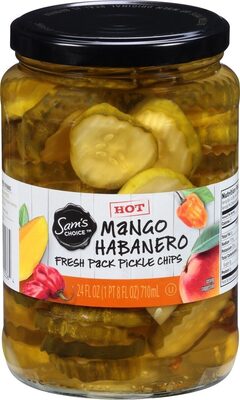 Sam'S Choice
Sam's Choice, Hot Mango Habanero Fresh Pack Pickle Chips
89kcal
0Protein
0Fat
21.4Carbs
Auto-generated content. This description was generated automatically and is pending editorial review. Inaccuracies are possible. Found a mistake? Contact us.