Dehydrated Shortening
Auto-generated content. This description was generated automatically and is pending editorial review. Inaccuracies are possible. Found a mistake? Contact us.
What it is
Dehydrated shortening is a solid fat, typically made from vegetable oils like soybean or cottonseed oil. These oils are hydrogenated, a process that adds hydrogen to make them more solid at room temperature. The resulting solid fat is then often further processed and dried.
Why it's used
Manufacturers add dehydrated shortening to provide a solid fat base and improve the texture and mouthfeel of products. It helps create a desirable crispness and can prevent ingredients from sticking together. It is commonly found in snack foods like pretzels, chips, and snack mixes.
Health notes
In the US, dehydrated shortening is generally recognized as safe (GRAS) by the FDA when used as intended. It is a source of fat and calories. Regulatory bodies like JECFA have evaluated similar fats, but no specific ADI is set for dehydrated shortening itself. Concerns about trans fats, which can be formed during hydrogenation, have led to industry efforts to reduce or eliminate them in shortenings.
Allergen info
Dehydrated shortening is typically derived from vegetable oils and is not a major allergen. It does not contain gluten.
Products containing Dehydrated Shortening
Compare products →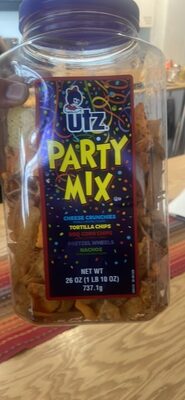 UTZ Quality Foods, LLC
Crunchy Curls, Tortilla Chips, BBQ Corn Chips, Pretzel Wheels, Nachos Party Mix, Crunchy Curls, Tortilla Chips, BBQ Corn Chips, Pretzel Wheels, Nachos
536kcal
7.1Protein
25Fat
67.9Carbs
UTZ Quality Foods, LLC
Tailgate Mix
500kcal
7.1Protein
28.6Fat
57.1Carbs
UTZ Quality Foods, LLC
Crunchy Curls, Tortilla Chips, BBQ Corn Chips, Pretzel Wheels, Nachos Party Mix, Crunchy Curls, Tortilla Chips, BBQ Corn Chips, Pretzel Wheels, Nachos
536kcal
7.1Protein
25Fat
67.9Carbs
UTZ Quality Foods, LLC
Tailgate Mix
500kcal
7.1Protein
28.6Fat
57.1Carbs
 UTZ Quality Foods, LLC
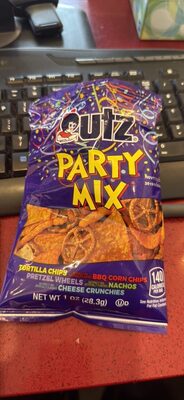
Tortilla Chips, BBQ Corn Chips, Cheese Crunchies, Nachos, Pretzel Wheels Party Mix, Tortilla, BBQ Corn, Cheese, Nachos
495kcal
7.1Protein
28.3Fat
56.5Carbs
UTZ Quality Foods, LLC
Utz Variety Snack Pack, 28 Count, 29 Oz
530kcal
7.1Protein
31.8Fat
53Carbs
UTZ Quality Foods, LLC
Tortilla Chips, BBQ Corn Chips, Cheese Crunchies, Nachos, Pretzel Wheels Party Mix, Tortilla, BBQ Corn, Cheese, Nachos
495kcal
7.1Protein
28.3Fat
56.5Carbs
UTZ Quality Foods, LLC
Utz Variety Snack Pack, 28 Count, 29 Oz
530kcal
7.1Protein
31.8Fat
53Carbs
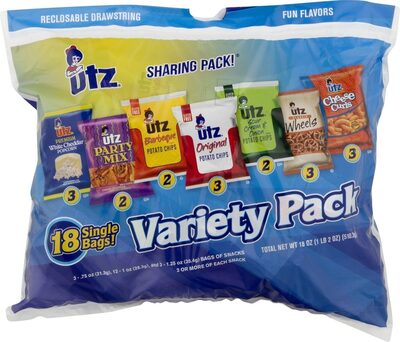 Fun Flavors Variety Pack Snacks
565kcal
7.1Protein
35.3Fat
53Carbs
Fun Flavors Variety Pack Snacks
565kcal
7.1Protein
35.3Fat
53Carbs
 UTZ Quality Foods, LLC
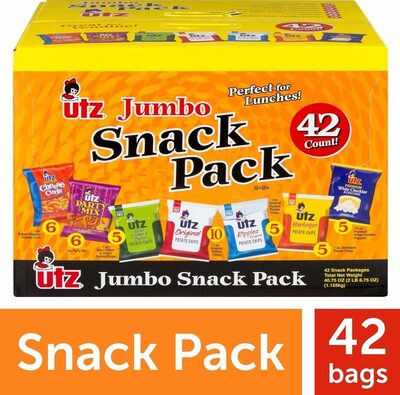
Variety Snack Pack, Cheddar Cheese; Sour Cream; Onion; Barbeque
565kcal
7.1Protein
35.3Fat
53Carbs
UTZ Quality Foods, LLC
Variety Snack Pack, Cheddar Cheese; Sour Cream; Onion; Barbeque
565kcal
7.1Protein
35.3Fat
53Carbs