Delactosed Skim Milk
What is Delactosed Skim Milk?
Delactosed skim milk is a milk product made from skim milk that has had most of its lactose removed. This is typically done through a process called ultrafiltration, which separates lactose from milk proteins. The resulting product is a concentrated source of milk protein.
Is Delactosed Skim Milk vegan?
No. Delactosed Skim Milk is animal-derived, so it is not vegan.
Is Delactosed Skim Milk gluten-free?
It does not contain gluten.
Is Delactosed Skim Milk a major allergen?
Delactosed skim milk is derived from milk, which is one of the nine FDA major allergens.
What is Delactosed Skim Milk used for?
Manufacturers add delactosed skim milk to foods to boost protein content and improve texture.
Is Delactosed Skim Milk safe?
Delactosed skim milk is generally recognized as safe (GRAS) by the FDA as a food ingredient.
Why it's used
Manufacturers add delactosed skim milk to foods to boost protein content and improve texture. It can act as a binder, emulsifier, or thickener. It is often found in processed cheese products, baked goods, and frozen meals.
Health notes
Delactosed skim milk is generally recognized as safe (GRAS) by the FDA as a food ingredient. It is a source of milk protein and calcium. Regulatory bodies like JECFA and EFSA have evaluated milk-derived ingredients. No specific health concerns are associated with its consumption at typical levels.
Allergen info
Delactosed skim milk is derived from milk, which is one of the nine FDA major allergens. It does not contain gluten.
Foods that contain Delactosed Skim Milk
Compare products →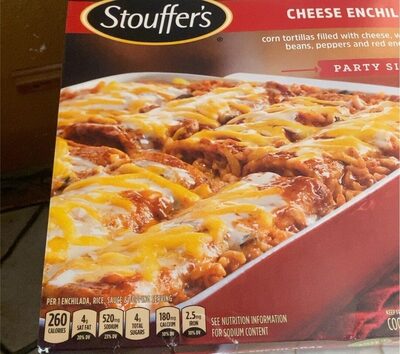 Nestle Usa-Frozen Food Division
Cheese Enchiladas Corn Tortillas Filled With Cheese, Topped With Tangy Enchilada Sauce & Cheese And Served Over Rice & Beans, Cheese Enchiladas
High in sodium — 30% DV per serving
High in saturated fat — 25% DV per serving
138kcal
4.8Protein
4.8Fat
18.6Carbs
Rich Products Corporation
Medium Fiesta Chicken Roll Ups, Medium
High in sodium — 29% DV per serving
High in saturated fat — 25% DV per serving
337kcal
12.0Protein
19.6Fat
29.4Carbs
Rich Products Corporation
3 Fiesta Chicken Roll-Ups + Mild Poblano Ranch Sauce, Chicken + Mild Poblano Ranch
High in sodium — 64% DV per serving
High in saturated fat — 45% DV per serving
289kcal
8.8Protein
18.0Fat
23.2Carbs
Rich Products Corporation
Mild Chipotle Chicken All White Meat Chicken With Chipotle Pepper Jack & Jalapeno Pepper Jack Cheeses In A Crisp Seasoned Flour Tortilla Roll Ups, Mild Chipotle Chicken
High in sodium — 29% DV per serving
High in saturated fat — 25% DV per serving
337kcal
12.0Protein
19.6Fat
29.4Carbs
Nestle Usa-Frozen Food Division
Cheese Enchiladas Corn Tortillas Filled With Cheese, Topped With Tangy Enchilada Sauce & Cheese And Served Over Rice & Beans, Cheese Enchiladas
High in sodium — 30% DV per serving
High in saturated fat — 25% DV per serving
138kcal
4.8Protein
4.8Fat
18.6Carbs
Rich Products Corporation
Medium Fiesta Chicken Roll Ups, Medium
High in sodium — 29% DV per serving
High in saturated fat — 25% DV per serving
337kcal
12.0Protein
19.6Fat
29.4Carbs
Rich Products Corporation
3 Fiesta Chicken Roll-Ups + Mild Poblano Ranch Sauce, Chicken + Mild Poblano Ranch
High in sodium — 64% DV per serving
High in saturated fat — 45% DV per serving
289kcal
8.8Protein
18.0Fat
23.2Carbs
Rich Products Corporation
Mild Chipotle Chicken All White Meat Chicken With Chipotle Pepper Jack & Jalapeno Pepper Jack Cheeses In A Crisp Seasoned Flour Tortilla Roll Ups, Mild Chipotle Chicken
High in sodium — 29% DV per serving
High in saturated fat — 25% DV per serving
337kcal
12.0Protein
19.6Fat
29.4Carbs
Learn more
Auto-generated content. This description was generated automatically and is pending editorial review. Inaccuracies are possible. Found a mistake? Contact us.