Dextrine
What is Dextrine?
Dextrin is a type of carbohydrate, often a white or yellowish powder. It is made by heating starch, usually from corn, potatoes, or wheat, in a process called hydrolysis. This breaks down the starch into smaller chains of glucose.
Is Dextrine vegan?
Dextrine is not animal-derived. Products that contain it can still include other animal-derived ingredients, so check the full ingredient list.
Is Dextrine gluten-free?
If derived from wheat, it may contain gluten.
Is Dextrine a major allergen?
Dextrins are derived from starch, which can come from wheat, corn, potatoes, or tapioca.
What is Dextrine used for?
Dextrins are used as food additives to improve texture and mouthfeel, and as a bulking agent.
Is Dextrine safe?
In the U.S., dextrins are generally recognized as safe (GRAS) by the FDA when used as intended.
Why it's used
Dextrins are used as food additives to improve texture and mouthfeel, and as a bulking agent. They can also help ingredients mix together and prevent clumping. You can find them in baked goods, candy, powdered drink mixes, and sauces.
Health notes
In the U.S., dextrins are generally recognized as safe (GRAS) by the FDA when used as intended. They are a source of carbohydrates and are broken down into glucose in the body. International bodies like JECFA have evaluated dextrins and found them to be safe for consumption. Evidence does not suggest significant health concerns at typical dietary levels.
Allergen info
Dextrins are derived from starch, which can come from wheat, corn, potatoes, or tapioca. If derived from wheat, it may contain gluten. Check product labels for specific sourcing if gluten is a concern.
Foods that contain Dextrine
Compare products →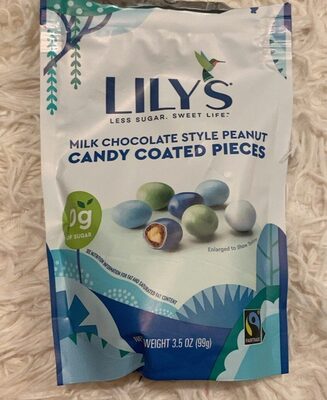
Auto-generated content. This description was generated automatically and is pending editorial review. Inaccuracies are possible. Found a mistake? Contact us.