Beta Carotene
Auto-generated content. This description was generated automatically and is pending editorial review. Inaccuracies are possible. Found a mistake? Contact us.
What it is
Beta carotene is a naturally occurring pigment that gives many fruits and vegetables their yellow, orange, and red colors. It is a type of carotenoid and is a precursor to vitamin A, meaning the body can convert it into vitamin A. It can be extracted from plants or produced synthetically.
Why it's used
Manufacturers add beta carotene to foods primarily as a coloring agent to impart yellow or orange hues. It is also used as a nutritional additive because the body converts it into vitamin A. It is commonly found in cereals, juices, dairy products, and snack foods.
Health notes
Beta carotene is approved by the FDA as a color additive and as a nutrient. It is also generally recognized as safe (GRAS) for certain uses. JECFA has evaluated beta carotene and established an acceptable daily intake. EFSA has also evaluated its safety. At typical intake levels, it is considered safe. High intakes, often from supplements, can cause a harmless yellowing of the skin (carotenemia). Some studies have shown mixed evidence regarding high-dose beta carotene supplements and an increased risk of lung cancer in smokers and asbestos workers, which is why health organizations generally advise against high-dose supplements for these groups.
Allergen info
Not a major allergen.
Products containing Beta Carotene
Compare products →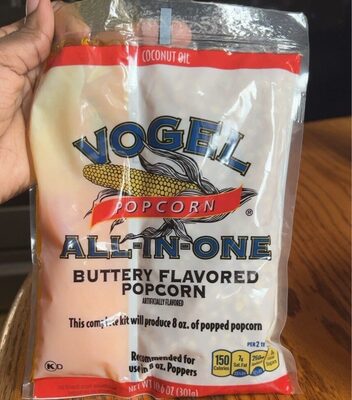 Conagra Brands
All-In-One Coconut Oil, 24/10.6 oz, 10.6 OZ
High in saturated fat — 35% DV per serving
—kcal
9.1Protein
27.3Fat
54.5Carbs
Conagra Brands
ACT II Buttery Popcorn Oil, 128 OZ
—kcal
0Protein
93.3Fat
0Carbs
TWO-BITE
Two-Bite, Carrot Cake
High in saturated fat — 25% DV per serving
408kcal
2.8Protein
22.5Fat
47.9Carbs
Harris-Teeter Inc.
Harris Teeter, Muesli With Dates, Raisins & Almonds
382kcal
9.1Protein
5.5Fat
74.5Carbs
Silver Spring Foods, Inc.
Bookbinder's, Restaurant Style Snapper Soup
High in sodium — 27% DV per serving
High in saturated fat — 20% DV per serving
70kcal
1.3Protein
3.4Fat
8.1Carbs
Harris-Teeter Inc.
Harris Teeter, Enriched Instant Grits, Natural Butter
357kcal
7.1Protein
3.6Fat
75Carbs
APPLESNAX
Applesnax, Applesauce With Peaches
80kcal
0Protein
0Fat
18.6Carbs
APPLESNAX
Applesnax, Applesauce With Mangos & Peaches
71kcal
0Protein
0Fat
17.7Carbs
CLOVER VALLEY
Clover Valley, Macaroni & Cheese Deluxe Shells Dinner
High in sodium — 37% DV per serving
327kcal
10.6Protein
11.5Fat
46.0Carbs
OUR SPECIALTY
Angel Hair Pasta With Herbs, Angel Hair Pasta With Creamy Herb Sauce Mix
High in sodium — 37% DV per serving
375kcal
12.5Protein
4.5Fat
69.6Carbs
FAMILY GOURMET
Coffee Creamer
417kcal
0Protein
8.3Fat
91.7Carbs
ENGLEWOOD CLIFFS
30% Vegetable Oil Spread
286kcal
0Protein
28.6Fat
0Carbs
Conagra Brands
All-In-One Coconut Oil, 24/10.6 oz, 10.6 OZ
High in saturated fat — 35% DV per serving
—kcal
9.1Protein
27.3Fat
54.5Carbs
Conagra Brands
ACT II Buttery Popcorn Oil, 128 OZ
—kcal
0Protein
93.3Fat
0Carbs
TWO-BITE
Two-Bite, Carrot Cake
High in saturated fat — 25% DV per serving
408kcal
2.8Protein
22.5Fat
47.9Carbs
Harris-Teeter Inc.
Harris Teeter, Muesli With Dates, Raisins & Almonds
382kcal
9.1Protein
5.5Fat
74.5Carbs
Silver Spring Foods, Inc.
Bookbinder's, Restaurant Style Snapper Soup
High in sodium — 27% DV per serving
High in saturated fat — 20% DV per serving
70kcal
1.3Protein
3.4Fat
8.1Carbs
Harris-Teeter Inc.
Harris Teeter, Enriched Instant Grits, Natural Butter
357kcal
7.1Protein
3.6Fat
75Carbs
APPLESNAX
Applesnax, Applesauce With Peaches
80kcal
0Protein
0Fat
18.6Carbs
APPLESNAX
Applesnax, Applesauce With Mangos & Peaches
71kcal
0Protein
0Fat
17.7Carbs
CLOVER VALLEY
Clover Valley, Macaroni & Cheese Deluxe Shells Dinner
High in sodium — 37% DV per serving
327kcal
10.6Protein
11.5Fat
46.0Carbs
OUR SPECIALTY
Angel Hair Pasta With Herbs, Angel Hair Pasta With Creamy Herb Sauce Mix
High in sodium — 37% DV per serving
375kcal
12.5Protein
4.5Fat
69.6Carbs
FAMILY GOURMET
Coffee Creamer
417kcal
0Protein
8.3Fat
91.7Carbs
ENGLEWOOD CLIFFS
30% Vegetable Oil Spread
286kcal
0Protein
28.6Fat
0Carbs