Dipotassium Sulfate
What is Dipotassium Sulfate?
Dipotassium sulfate is a potassium salt of sulfuric acid. It is a white crystalline solid that is soluble in water. It can be produced by reacting sulfuric acid with potassium hydroxide or potassium carbonate.
Is Dipotassium Sulfate vegan?
Dipotassium Sulfate is not animal-derived. Products that contain it can still include other animal-derived ingredients, so check the full ingredient list.
Is Dipotassium Sulfate gluten-free?
It is not derived from any of the nine major allergens and does not contain gluten.
Is Dipotassium Sulfate a major allergen?
Not a major allergen.
What is Dipotassium Sulfate used for?
Dipotassium sulfate is used as a food additive, primarily as a buffering agent and a nutrient supplement.
Is Dipotassium Sulfate safe?
Dipotassium sulfate is generally recognized as safe (GRAS) by the FDA for use in food.
Why it's used
Dipotassium sulfate is used as a food additive, primarily as a buffering agent and a nutrient supplement. It can help regulate acidity in foods and beverages. It is sometimes found in dairy products and nutritional supplements.
Health notes
Dipotassium sulfate is generally recognized as safe (GRAS) by the FDA for use in food. It is a source of potassium, an essential mineral. The Joint FAO/WHO Expert Committee on Food Additives (JECFA) has evaluated dipotassium sulfate and found it to be safe for consumption. No significant health concerns are associated with its typical use in food.
Allergen info
Not a major allergen. It is not derived from any of the nine major allergens and does not contain gluten.
Foods that contain Dipotassium Sulfate
Compare products →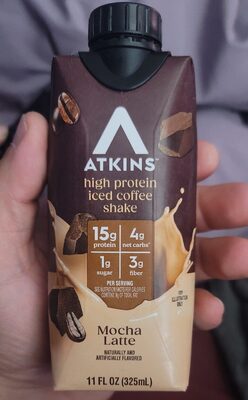 Atkins Nutritionals, Inc.
Protein-Rich Shake, Mocha Latte
49kcal
4.6Protein
3.1Fat
1.5Carbs
Atkins Nutritionals, Inc.
Protein-Rich Shake, Mocha Latte
49kcal
4.6Protein
3.1Fat
1.5Carbs
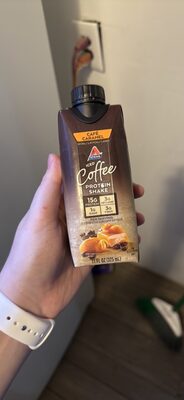 Atkins Nutritionals, Inc.
Cafe Caramel Protein-Rich Shake, Cafe Caramel
49kcal
4.6Protein
3.1Fat
0.9Carbs
Atkins Nutritionals, Inc.
Mocha Latte Protein-Rich Shake, Mocha Latte
49kcal
4.6Protein
3.1Fat
1.5Carbs
Atkins Nutritionals, Inc.
Cafe Caramel Protein-Rich Shake, Cafe Caramel
49kcal
4.6Protein
3.1Fat
0.9Carbs
Atkins Nutritionals, Inc.
Mocha Latte Protein-Rich Shake, Mocha Latte
49kcal
4.6Protein
3.1Fat
1.5Carbs
Auto-generated content. This description was generated automatically and is pending editorial review. Inaccuracies are possible. Found a mistake? Contact us.