Distilled And Red Wine Vinegars
Auto-generated content. This description was generated automatically and is pending editorial review. Inaccuracies are possible. Found a mistake? Contact us.
What it is
Distilled vinegar is made by fermenting ethanol (from sources like corn or grain) into acetic acid. Red wine vinegar is made by fermenting red wine, which itself comes from red grapes. Both are clear liquids with a sharp, sour taste.
Why it's used
Vinegars are used to add a sour or tangy flavor to foods. They also act as preservatives, helping to extend the shelf life of products like pickles, olives, and relishes. Their acidity can also help tenderize meats and balance sweetness in dressings.
Health notes
Distilled and red wine vinegars are generally recognized as safe (GRAS) by the FDA for use in food. Acetic acid, the main component of vinegar, has been studied for potential effects on blood sugar and appetite, but evidence is mixed and more research is needed. International bodies like JECFA have evaluated vinegar and its components. No significant health concerns are associated with typical dietary intake.
Allergen info
Vinegar is not derived from any of the 9 major allergens. Gluten is not typically present in distilled or red wine vinegar, though it's always best to check the product label if you have a severe sensitivity.
Products containing Distilled And Red Wine Vinegars
Compare products →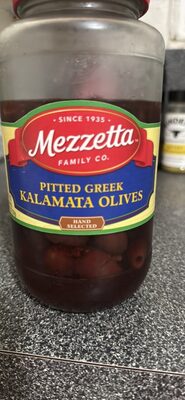 G L Mezzetta, Inc.
Pitted Greek Kalamata Olives
233kcal
0Protein
20Fat
20Carbs
G L Mezzetta, Inc.
Pitted Kalamata Olives Marinated With Herbs & Cabernet Sauvignon
233kcal
0Protein
20Fat
20Carbs
G L Mezzetta, Inc.
Pitted Greek Kalamata Olives
233kcal
0Protein
20Fat
20Carbs
G L Mezzetta, Inc.
Pitted Kalamata Olives Marinated With Herbs & Cabernet Sauvignon
233kcal
0Protein
20Fat
20Carbs
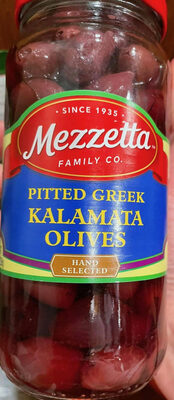 G L Mezzetta, Inc.
Pitted Greek Kalamata Olives
233kcal
0Protein
20Fat
20Carbs
G L Mezzetta, Inc.
Pitted Greek Kalamata Olives
233kcal
0Protein
20Fat
20Carbs
 G L Mezzetta, Inc.
Sliced Greek Kalamata Olives, Sliced Greek Kalamata
233kcal
0Protein
20Fat
20Carbs
G L Mezzetta, Inc.
Sliced Greek Kalamata Olives, Sliced Greek Kalamata
233kcal
0Protein
20Fat
20Carbs