Auto-generated content.
This description was generated automatically and is pending editorial review.
Inaccuracies are possible. Found a mistake? Contact us.
Source
Not animal-derived
Allergen
No
Role in food
Manufacturers use distilled white vinegar primarily as an acidity regulator and flavor enhancer. Its …
What it is
Distilled white vinegar is a clear, colorless liquid made by fermenting ethanol (alcohol) and then distilling it. The fermentation process converts alcohol into acetic acid, which is the main component of vinegar. It is typically made from grain alcohol or wine.
Why it's used
Manufacturers use distilled white vinegar primarily as an acidity regulator and flavor enhancer. Its sharp, tangy taste makes it a common ingredient in salad dressings, marinades, pickles, relishes, and sauces. It can also help preserve foods and act as a tenderizer for meats.
Health notes
Distilled white vinegar is Generally Recognized As Safe (GRAS) by the FDA for use in food. It is primarily composed of acetic acid, which is not associated with significant health concerns at typical dietary intake levels. International bodies like JECFA have evaluated vinegar and its components. Some research suggests potential benefits for blood sugar control, but more studies are needed.
Allergen info
Distilled white vinegar is not derived from any of the 9 FDA major allergens. It does not contain gluten.
Products containing Distilled White Vinegar And Filtered Water
Note:
This site presents label data from USDA FoodData Central for general information. It is not medical advice.
Check the package label; formulations change.
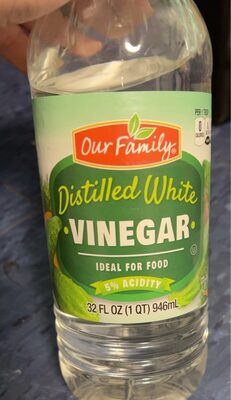 Nash Finch Company
Distilled White Vinegar, Distilled White
0kcal
0Protein
0Fat
0Carbs
Nash Finch Company
Distilled White Vinegar, Distilled White
0kcal
0Protein
0Fat
0Carbs