Dough Mixture: Enriched Semolina Flour
Auto-generated content. This description was generated automatically and is pending editorial review. Inaccuracies are possible. Found a mistake? Contact us.
What it is
Semolina is a coarse flour made from durum wheat, a hard variety of wheat. It is typically yellow in color and has a slightly nutty flavor. Enriched semolina flour has added B vitamins (thiamin, riboflavin, niacin, folic acid) and iron, which are removed during the milling process.
Why it's used
Semolina flour is most commonly used to make pasta, couscous, and some types of bread and cakes. Its firm texture and ability to hold its shape make it ideal for pasta products. It is also used as a thickener in puddings and sauces.
Health notes
Enriched semolina flour is a source of carbohydrates and provides added nutrients. The FDA considers enriched semolina flour safe for consumption. It is a common ingredient in many staple foods and is not associated with significant health concerns when consumed as part of a balanced diet. JECFA has evaluated semolina and did not set a numeric limit (ADI not specified).
Allergen info
Semolina flour is derived from wheat, which is one of the FDA's nine major allergens. It also contains gluten.
Products containing Dough Mixture: Enriched Semolina Flour
Compare products →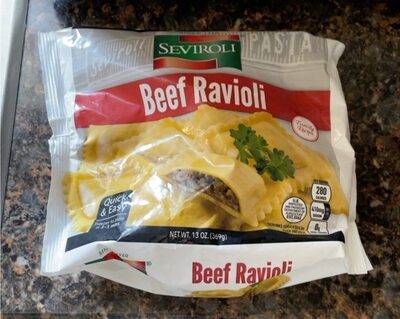 Joseph Seviroli Inc
Beef Ravioli Pasta, Beef
High in sodium — 31% DV per serving
213kcal
9.6Protein
3.7Fat
34.6Carbs
Joseph Seviroli Inc
Beef Ravioli Pasta, Beef
High in sodium — 31% DV per serving
213kcal
9.6Protein
3.7Fat
34.6Carbs