Dried Bonito Extract
What is Dried Bonito Extract?
Dried bonito extract is made from dried, fermented, and smoked skipjack tuna, a type of fish. The dried fish is shaved into flakes or powdered to create the extract, which has a strong, savory, umami flavor.
Is Dried Bonito Extract vegan?
No. Dried Bonito Extract is animal-derived, so it is not vegan.
Is Dried Bonito Extract a major allergen?
Dried bonito extract is derived from fish, which is one of the nine major allergens recognized by the FDA.
What is Dried Bonito Extract used for?
Manufacturers use dried bonito extract primarily as a flavoring agent to add a rich, savory taste to foods.
Is Dried Bonito Extract safe?
Dried bonito extract is generally recognized as safe (GRAS) by the FDA for use in food.
Why it's used
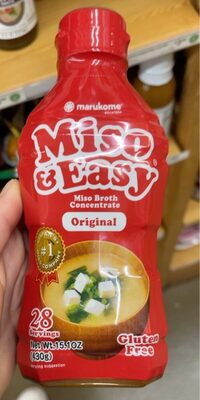
Manufacturers use dried bonito extract primarily as a flavoring agent to add a rich, savory taste to foods. It is commonly found in Japanese and other Asian cuisine, such as broths, sauces, marinades, crackers, and seafood dishes.
Health notes
Dried bonito extract is generally recognized as safe (GRAS) by the FDA for use in food. It is a source of protein and amino acids, contributing to its savory flavor. International bodies like JECFA have evaluated similar fish extracts, but specific evaluations for dried bonito extract may vary. At typical consumption levels, it is not associated with adverse health effects.
Allergen info
Dried bonito extract is derived from fish, which is one of the nine major allergens recognized by the FDA. Consumers with fish allergies should avoid products containing this ingredient.
Foods that contain Dried Bonito Extract
Compare products →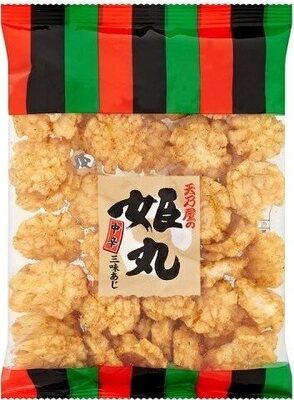
Learn more
Auto-generated content. This description was generated automatically and is pending editorial review. Inaccuracies are possible. Found a mistake? Contact us.