Dried Coconut Milk
What is Dried Coconut Milk?
Dried coconut milk is a powdered form of coconut milk, made by dehydrating the liquid extracted from the grated meat of mature coconuts. It often contains a carrier ingredient, such as maltodextrin, to help with drying and prevent clumping.
Is Dried Coconut Milk vegan?
Dried Coconut Milk is not animal-derived. Products that contain it can still include other animal-derived ingredients, so check the full ingredient list.
Is Dried Coconut Milk a major allergen?
Coconut is botanically a fruit, but the FDA identifies it as a tree nut for food labeling purposes due to potential allergic reactions.
What is Dried Coconut Milk used for?
Manufacturers use dried coconut milk to add a rich, creamy texture and tropical coconut flavor to various food products.
Is Dried Coconut Milk safe?
Dried coconut milk is a food ingredient generally recognized as safe (GRAS) by the FDA.
Why it's used
Manufacturers use dried coconut milk to add a rich, creamy texture and tropical coconut flavor to various food products. It's a convenient alternative to liquid coconut milk, commonly found in prepared soups, curries, flavored rice dishes, and dessert mixes.
Health notes
Dried coconut milk is a food ingredient generally recognized as safe (GRAS) by the FDA. It is a source of saturated fat; the Dietary Guidelines for Americans (2025-2030) recommend that individuals keep their intake of saturated fat to less than 10% of daily calories. As a whole food ingredient, it is not typically evaluated by bodies like JECFA or EFSA in the same way as food additives.
Allergen info
Coconut is botanically a fruit, but the FDA identifies it as a tree nut for food labeling purposes due to potential allergic reactions. Therefore, products containing coconut must declare it as a tree nut allergen.
Foods that contain Dried Coconut Milk
Compare products →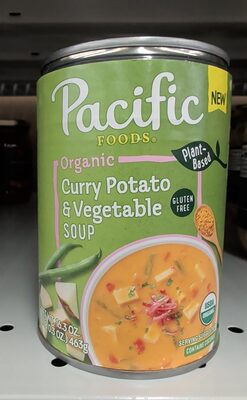
Learn more
Auto-generated content. This description was generated automatically and is pending editorial review. Inaccuracies are possible. Found a mistake? Contact us.