Dried Rosemary
What is Dried Rosemary?
Dried rosemary is made from the leaves of the rosemary plant (Salvia rosmarinus), an evergreen herb native to the Mediterranean region. The leaves are harvested, dried, and often ground or chopped.
Is Dried Rosemary vegan?
Dried Rosemary is not animal-derived. Products that contain it can still include other animal-derived ingredients, so check the full ingredient list.
Is Dried Rosemary gluten-free?
It does not contain gluten.
Is Dried Rosemary a major allergen?
Rosemary is not one of the nine major allergens identified by the FDA.
What is Dried Rosemary used for?
Dried rosemary is primarily used as a culinary herb to add a distinct pine-like flavor and aroma to foods.
Is Dried Rosemary safe?
Dried rosemary is Generally Recognized As Safe (GRAS) by the FDA for use as a food ingredient.
Why it's used
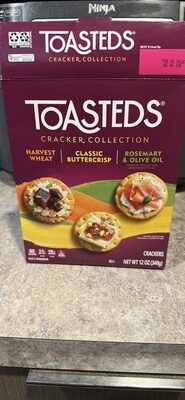
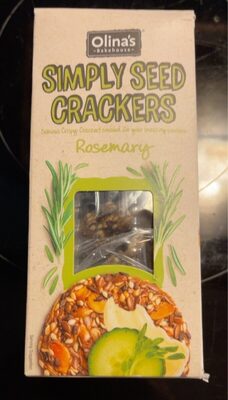
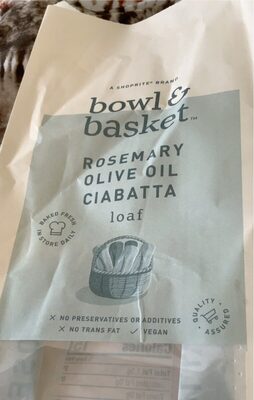
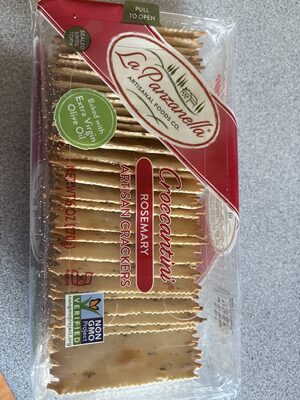
Dried rosemary is primarily used as a culinary herb to add a distinct pine-like flavor and aroma to foods. It is commonly found in savory dishes, including breads, crackers, roasted meats, and vegetable preparations.
Health notes
Dried rosemary is Generally Recognized As Safe (GRAS) by the FDA for use as a food ingredient. It is a source of various antioxidants and compounds that may have health benefits, though research is ongoing. International bodies like JECFA have evaluated rosemary extracts for safety.
Allergen info
Rosemary is not one of the nine major allergens identified by the FDA. It does not contain gluten.
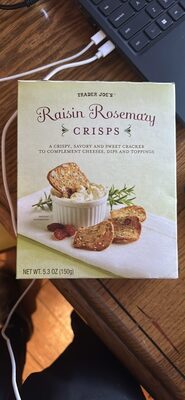
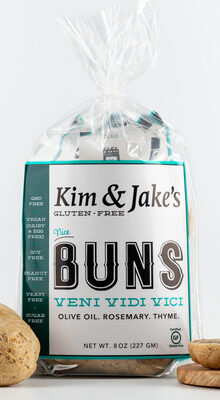
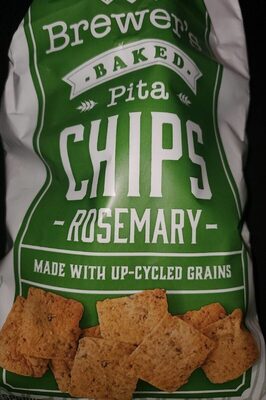
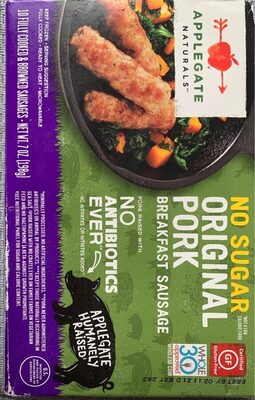
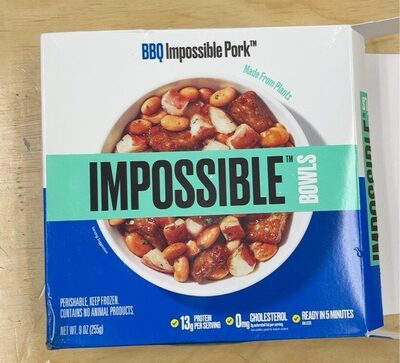
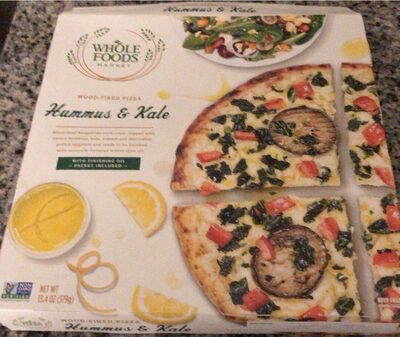
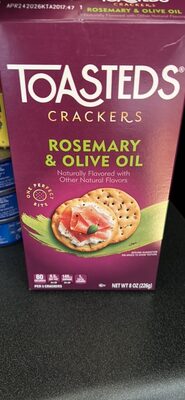
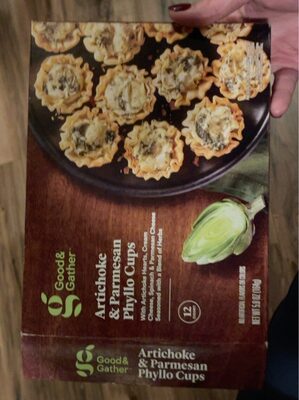
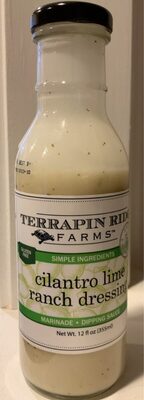
Foods that contain Dried Rosemary
Compare products →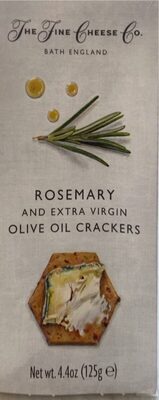
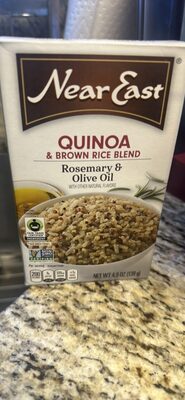
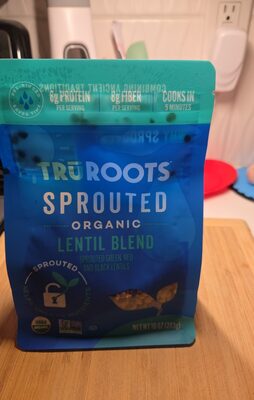
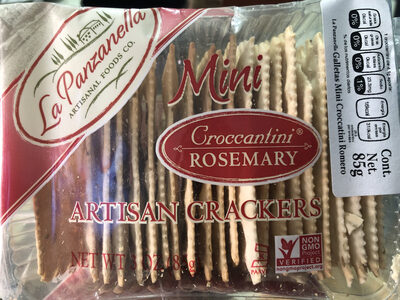

Learn more
Auto-generated content. This description was generated automatically and is pending editorial review. Inaccuracies are possible. Found a mistake? Contact us.