Dried Squid
What is Dried Squid?
Dried squid is a seafood product made from squid that has been processed and dried. The drying process, often involving salting and air-drying or oven-drying, removes moisture to preserve the squid and concentrate its flavor. It is a popular ingredient in many Asian cuisines.
Is Dried Squid vegan?
No. Dried Squid is animal-derived, so it is not vegan.
Is Dried Squid gluten-free?
It does not contain gluten.
Is Dried Squid a major allergen?
Dried squid is derived from shellfish, which is one of the 9 FDA major allergens.
What is Dried Squid used for?
Dried squid is used to add a chewy texture and savory, umami flavor to foods.
Is Dried Squid safe?
Dried squid is a natural food product and is not subject to specific FDA additive regulations.
Why it's used
Dried squid is used to add a chewy texture and savory, umami flavor to foods. It is commonly found in snacks, stir-fries, soups, and noodle dishes. Manufacturers use it as a flavoring agent and to contribute to the overall seafood profile of a product.
Health notes
Dried squid is a natural food product and is not subject to specific FDA additive regulations. It is a source of protein and minerals. Like other seafood, it can be high in sodium depending on the preparation and added seasonings. The FDA has not established specific upper intake levels for dried squid. It is generally recognized as safe for consumption when properly handled and prepared.
Allergen info
Dried squid is derived from shellfish, which is one of the 9 FDA major allergens. It does not contain gluten.
Foods that contain Dried Squid
Compare products →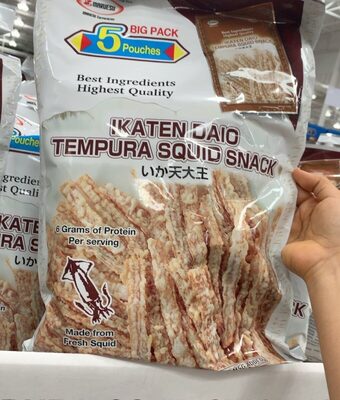
Auto-generated content. This description was generated automatically and is pending editorial review. Inaccuracies are possible. Found a mistake? Contact us.