Dried Tamarind
What is Dried Tamarind?
Tamarind is a tropical fruit that grows in a pod on the Tamarindus indica tree. The fruit's pulp, which is tart and sweet, is dried and can be used whole or as a paste. It is native to Africa but is now grown in many tropical regions.
Is Dried Tamarind vegan?
Dried Tamarind is not animal-derived. Products that contain it can still include other animal-derived ingredients, so check the full ingredient list.
Is Dried Tamarind gluten-free?
It does not contain gluten.
Is Dried Tamarind a major allergen?
Tamarind is not one of the nine major allergens.
What is Dried Tamarind used for?
Dried tamarind is used to add a unique sweet and sour flavor to foods.
Is Dried Tamarind safe?
Tamarind is generally recognized as safe (GRAS) by the FDA for use as a flavoring.
Why it's used
Dried tamarind is used to add a unique sweet and sour flavor to foods. It is often found in spice blends, marinades, sauces, and chutneys. Manufacturers use it as a natural flavoring agent.
Health notes
Tamarind is generally recognized as safe (GRAS) by the FDA for use as a flavoring. It is a source of vitamin C and other nutrients. International bodies like JECFA have evaluated tamarind and related substances. Evidence suggests tamarind may have antioxidant properties, but more research is needed to confirm health benefits.
Allergen info
Tamarind is not one of the nine major allergens. It does not contain gluten.
Foods that contain Dried Tamarind
Compare products →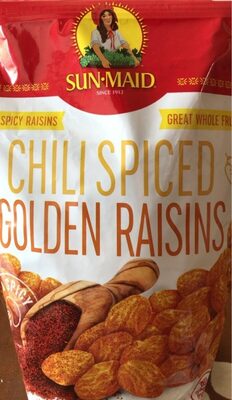

Auto-generated content. This description was generated automatically and is pending editorial review. Inaccuracies are possible. Found a mistake? Contact us.