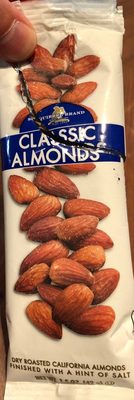
Dry Roasted Almonds
What is Dry Roasted Almonds?
Almonds are the edible seeds of the almond tree, native to the Middle East and South Asia. Dry roasting involves heating whole or sliced almonds in an oven without oil, which gives them a crisp texture and nutty flavor.
Is Dry Roasted Almonds vegan?
Dry Roasted Almonds is not animal-derived. Products that contain it can still include other animal-derived ingredients, so check the full ingredient list.
Is Dry Roasted Almonds a major allergen?
Almonds are tree nuts, which are one of the 9 major food allergens identified by the FDA.
What is Dry Roasted Almonds used for?
Dry roasted almonds are often used as a snack or as an ingredient in trail mixes, granola, baked goods, and confectionery.
Is Dry Roasted Almonds safe?
Almonds are a source of healthy fats, fiber, protein, vitamin E, and magnesium.
Why it's used
Dry roasted almonds are often used as a snack or as an ingredient in trail mixes, granola, baked goods, and confectionery. Their crunchy texture and rich flavor enhance the appeal of many food products.
Health notes
Almonds are a source of healthy fats, fiber, protein, vitamin E, and magnesium. The FDA recognizes almonds as Generally Recognized As Safe (GRAS). International bodies like EFSA have evaluated almonds, and research suggests regular consumption may contribute to heart health. Evidence does not link typical consumption to adverse health effects.
Allergen info
Almonds are tree nuts, which are one of the 9 major food allergens identified by the FDA. People with tree nut allergies should avoid them.
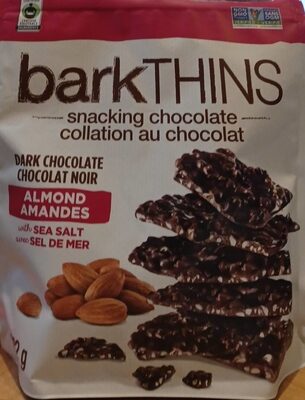
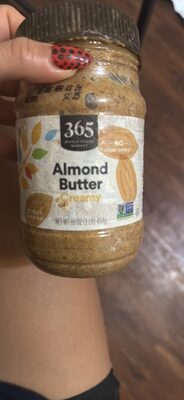
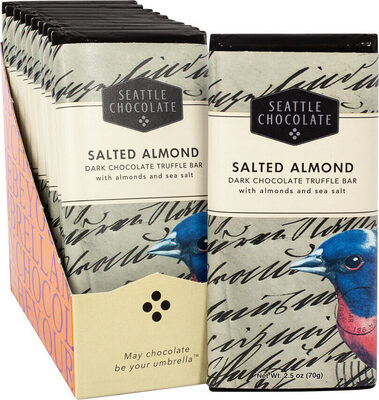
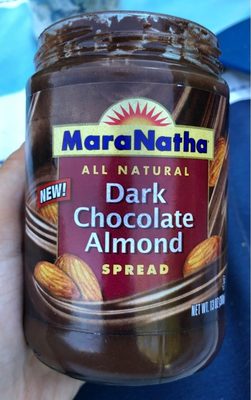
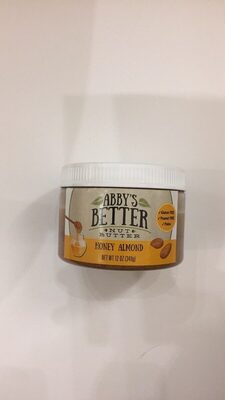
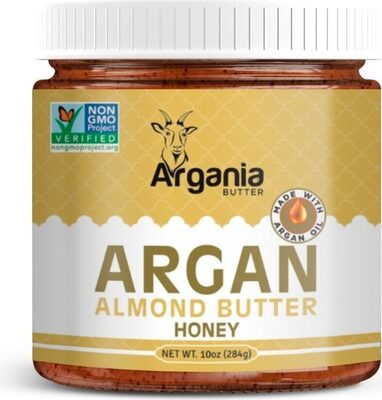
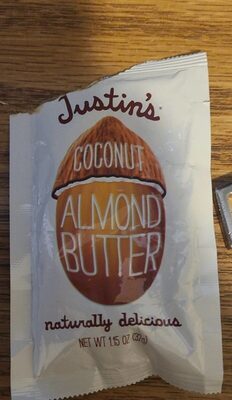
Foods that contain Dry Roasted Almonds
Compare products →






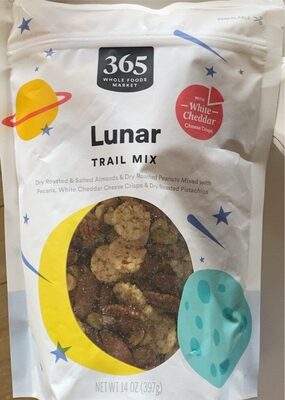
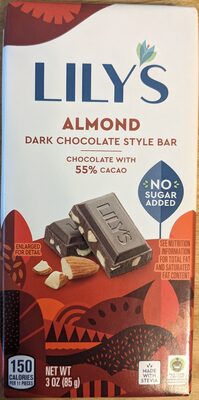
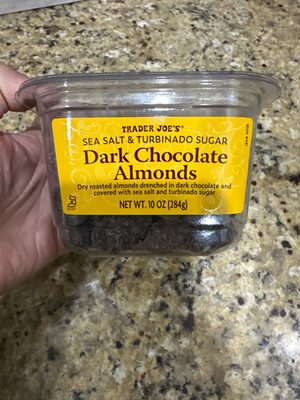
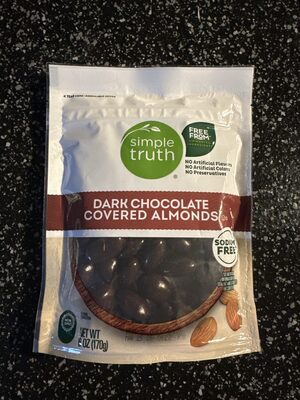

Learn more
Auto-generated content. This description was generated automatically and is pending editorial review. Inaccuracies are possible. Found a mistake? Contact us.