E466
Auto-generated content. This description was generated automatically and is pending editorial review. Inaccuracies are possible. Found a mistake? Contact us.
What it is
Carboxymethylcellulose (CMC) is a modified cellulose, a common plant fiber. It is made by treating cellulose from wood pulp or cotton with chemicals. CMC is soluble in water and acts as a thickener and stabilizer.
Why it's used
Manufacturers use CMC as a thickener, stabilizer, and emulsifier in foods. It helps prevent ingredients from separating and gives foods a smoother texture. You can find it in products like ice cream, baked goods, sauces, and salad dressings.
Health notes
In the U.S., CMC is generally recognized as safe (GRAS) by the FDA. International bodies like JECFA and EFSA have also evaluated CMC. Studies on CMC have generally found it to be safe when consumed in amounts typically found in food. Some research suggests it may affect gut bacteria, but more study is needed.
Allergen info
CMC is derived from plant cellulose and is not one of the 9 FDA major allergens. It does not contain gluten.
Products containing E466
Compare products →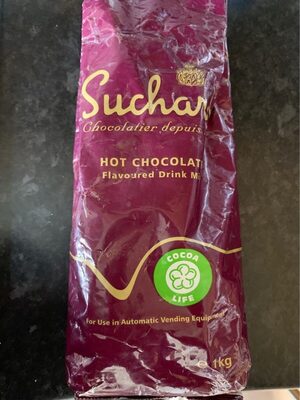 Suchard Chocolate Powder-Instant Premium 1 Kg
—kcal
7.8Protein
3.4Fat
—Carbs
Stimorol Fusion Gum Strawberry And Lime
184kcal
1.5Protein
1.5Fat
—Carbs
NOT A BRANDED ITEM
Cheese Croquettes, Cheese
High in sodium — 25% DV per serving
High in saturated fat — 20% DV per serving
200kcal
6.7Protein
7.8Fat
22.2Carbs
BADELLI
Coconut Milk
High in saturated fat — 20% DV per serving
56kcal
0Protein
5.6Fat
0Carbs
Kraft Heinz Foods Company
Miracle Whip Light Dressing
High in sodium — 37% DV per serving
126kcal
0.2Protein
9Fat
11Carbs
Big Shot Records
Coconut Milk
High in saturated fat — 70% DV per serving
212kcal
2.5Protein
20Fat
5Carbs
Suchard Chocolate Powder-Instant Premium 1 Kg
—kcal
7.8Protein
3.4Fat
—Carbs
Stimorol Fusion Gum Strawberry And Lime
184kcal
1.5Protein
1.5Fat
—Carbs
NOT A BRANDED ITEM
Cheese Croquettes, Cheese
High in sodium — 25% DV per serving
High in saturated fat — 20% DV per serving
200kcal
6.7Protein
7.8Fat
22.2Carbs
BADELLI
Coconut Milk
High in saturated fat — 20% DV per serving
56kcal
0Protein
5.6Fat
0Carbs
Kraft Heinz Foods Company
Miracle Whip Light Dressing
High in sodium — 37% DV per serving
126kcal
0.2Protein
9Fat
11Carbs
Big Shot Records
Coconut Milk
High in saturated fat — 70% DV per serving
212kcal
2.5Protein
20Fat
5Carbs
 Starbucks Coffee Company
Sugar-Free Syrup, Vanilla
0kcal
0Protein
0Fat
0Carbs
Starbucks Coffee Company
Caramel Flavoured Sugar-Free Syrup, Caramel
0kcal
0Protein
0Fat
0Carbs
Golden Beach, Inc.
Coconut Milk
High in saturated fat — 20% DV per serving
75kcal
1.2Protein
7.5Fat
1.2Carbs
Montalvan's Sales
Coco Tropical, Coconut Juice With Pulp
43kcal
0Protein
0Fat
10.3Carbs
Starbucks Coffee Company
Sugar-Free Syrup, Vanilla
0kcal
0Protein
0Fat
0Carbs
Starbucks Coffee Company
Caramel Flavoured Sugar-Free Syrup, Caramel
0kcal
0Protein
0Fat
0Carbs
Golden Beach, Inc.
Coconut Milk
High in saturated fat — 20% DV per serving
75kcal
1.2Protein
7.5Fat
1.2Carbs
Montalvan's Sales
Coco Tropical, Coconut Juice With Pulp
43kcal
0Protein
0Fat
10.3Carbs
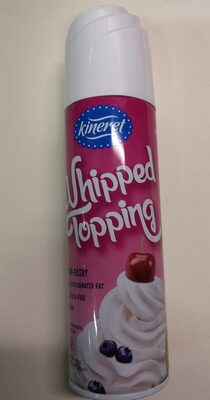 Royal Wine Corporation
Whipped Topping
286kcal
0Protein
21.4Fat
14.3Carbs
Royal Wine Corporation
Whipped Topping
286kcal
0Protein
21.4Fat
14.3Carbs