Eaas
What is Eaas?
Essential amino acids (EAAs) are the nine amino acids that the human body cannot produce on its own. They must be obtained from food. EAAs are the building blocks of proteins and play vital roles in bodily functions.
Is Eaas gluten-free?
EAAs do not contain gluten.
Is Eaas a major allergen?
EAAs are amino acids, which are components of protein.
What is Eaas used for?
EAAs are often added to foods and beverages, particularly sports nutrition products and meal replacements, to supplement protein intake.
Is Eaas safe?
EAAs are naturally present in protein-rich foods and are generally recognized as safe when consumed as part of a balanced diet.
Why it's used
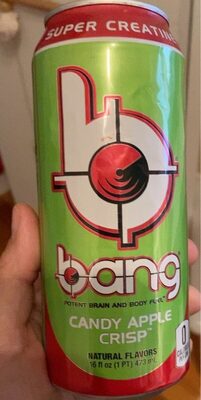
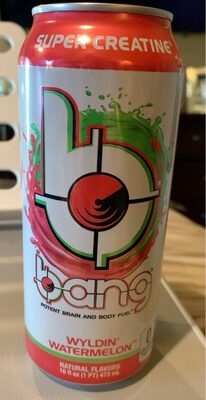
EAAs are often added to foods and beverages, particularly sports nutrition products and meal replacements, to supplement protein intake. They are sometimes found in energy drinks and other beverages marketed for performance or recovery.
Health notes
EAAs are naturally present in protein-rich foods and are generally recognized as safe when consumed as part of a balanced diet. The FDA considers EAAs as dietary ingredients. International bodies like JECFA have evaluated amino acids, but specific numeric limits are not always set. Research is ongoing into the specific benefits of EAA supplementation for muscle growth and recovery.
Allergen info
EAAs are amino acids, which are components of protein. They are not derived from any of the 9 FDA major allergens. EAAs do not contain gluten.
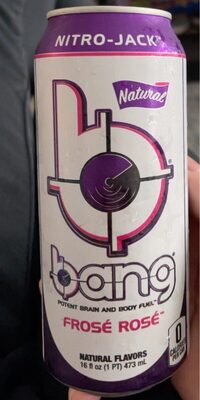
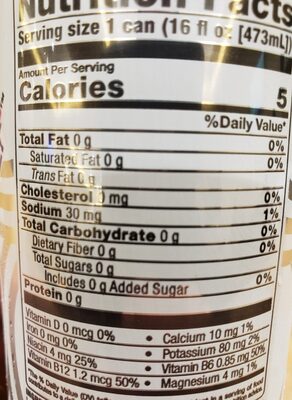
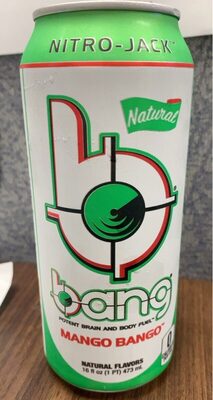
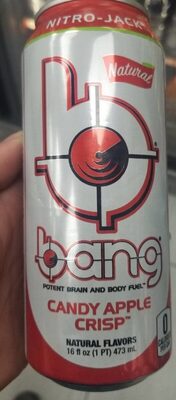
Foods that contain Eaas
Compare products →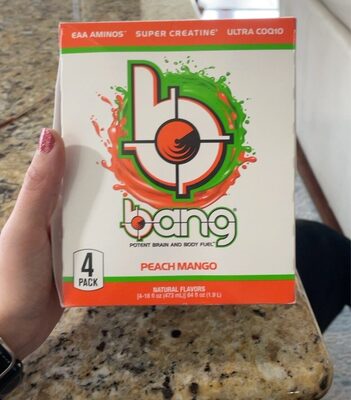
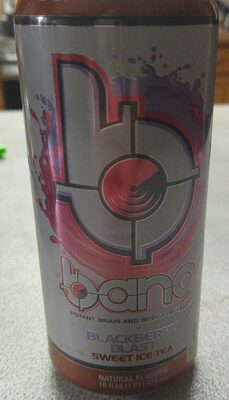
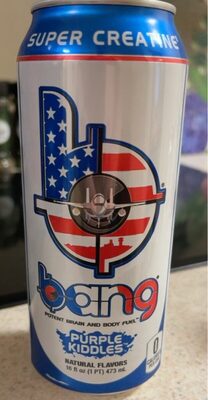
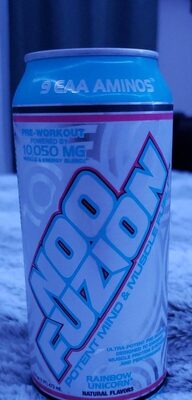
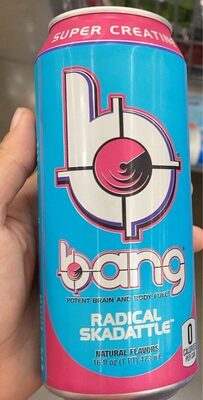

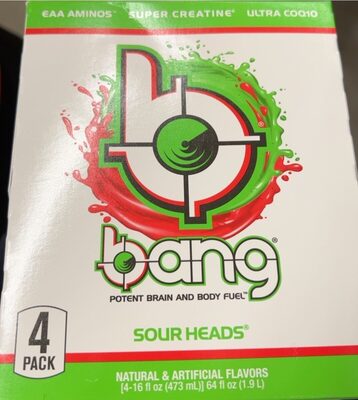
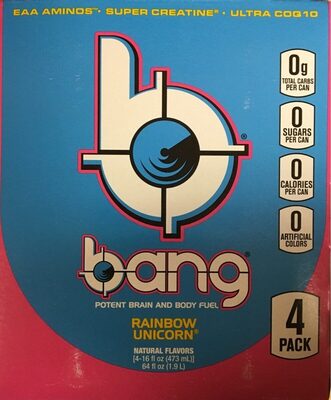
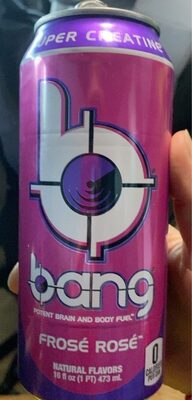
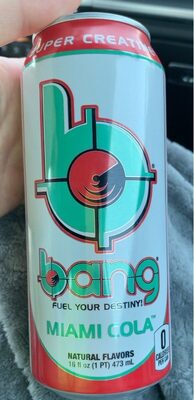
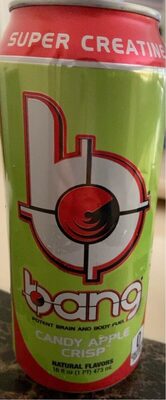
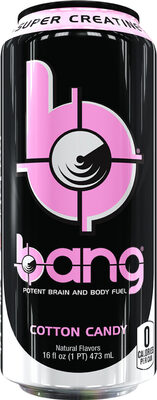

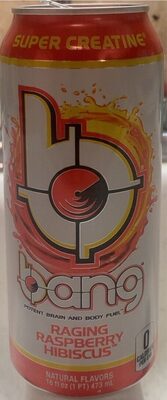
Learn more
Auto-generated content. This description was generated automatically and is pending editorial review. Inaccuracies are possible. Found a mistake? Contact us.