Egg Yolks Egg Yolks
What is Egg Yolks Egg Yolks?
Egg yolks are the yellow, nutrient-rich part of an egg, typically from chickens. They are separated from the egg white and can be used fresh, dried, or frozen in food products.
Is Egg Yolks Egg Yolks vegan?
No. Egg Yolks Egg Yolks is animal-derived, so it is not vegan.
Is Egg Yolks Egg Yolks a major allergen?
Egg is one of the nine major food allergens identified by the FDA.
What is Egg Yolks Egg Yolks used for?
Manufacturers add egg yolks for their emulsifying properties, which help blend oil and water in products like mayonnaise, sauces, and ice cream.
Is Egg Yolks Egg Yolks safe?
Egg yolks are a common food ingredient and are generally recognized as safe (GRAS) for use in foods.
Why it's used
Manufacturers add egg yolks for their emulsifying properties, which help blend oil and water in products like mayonnaise, sauces, and ice cream. They also contribute to richness, flavor, color, and texture in baked goods, custards, and desserts.
Health notes
Egg yolks are a common food ingredient and are generally recognized as safe (GRAS) for use in foods. They are a source of dietary cholesterol and fat, including saturated fat. The 2025-2030 Dietary Guidelines for Americans recommend limiting saturated fat intake to less than 10% of daily calories, but do not specify a limit for dietary cholesterol. JECFA and EFSA primarily evaluate food additives and contaminants, and typically do not assess whole food ingredients like egg yolks in the same manner.
Allergen info
Egg is one of the nine major food allergens identified by the FDA.
Foods that contain Egg Yolks Egg Yolks
Compare products →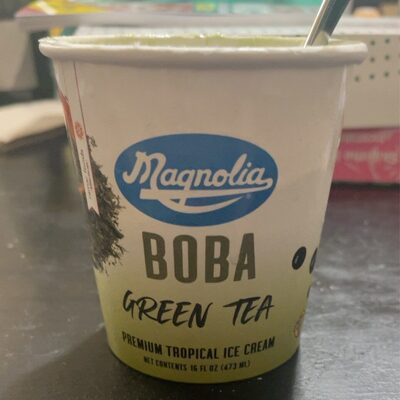 Ramar International Corp.
Green Tea Boba Premium Tropical Ice Cream, Green Tea
High in saturated fat — 55% DV per serving
High in added sugars — 32% DV per serving
High in cholesterol — 20% DV per serving
236kcal
3.9Protein
—Fat
24.4Carbs
Ramar International Corp.
Green Tea Boba Premium Tropical Ice Cream, Green Tea
High in saturated fat — 55% DV per serving
High in added sugars — 32% DV per serving
High in cholesterol — 20% DV per serving
236kcal
3.9Protein
—Fat
24.4Carbs
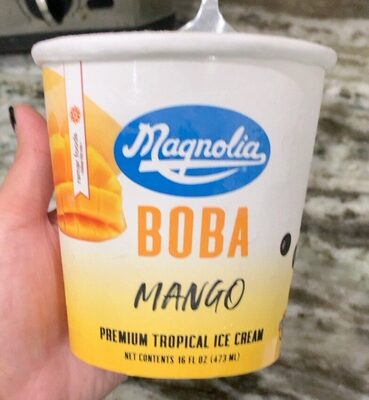 Ramar International Corp.
Mango Premium Tropical Ice Cream, Mango
High in saturated fat — 45% DV per serving
High in added sugars — 26% DV per serving
213kcal
3.1Protein
11.8Fat
23.6Carbs
Lestis Desserts Enterprises Inc.
L'Esti's Dessert Kievsky Tort, 20 Oz
High in saturated fat — 60% DV per serving
400kcal
4Protein
24.8Fat
40Carbs
Lestis Desserts Enterprises Inc.
Day & Night Tort, Day & Night
High in saturated fat — 35% DV per serving
High in cholesterol — 37% DV per serving
288kcal
4Protein
14.4Fat
32.8Carbs
Ramar International Corp.
Mango Premium Tropical Ice Cream, Mango
High in saturated fat — 45% DV per serving
High in added sugars — 26% DV per serving
213kcal
3.1Protein
11.8Fat
23.6Carbs
Lestis Desserts Enterprises Inc.
L'Esti's Dessert Kievsky Tort, 20 Oz
High in saturated fat — 60% DV per serving
400kcal
4Protein
24.8Fat
40Carbs
Lestis Desserts Enterprises Inc.
Day & Night Tort, Day & Night
High in saturated fat — 35% DV per serving
High in cholesterol — 37% DV per serving
288kcal
4Protein
14.4Fat
32.8Carbs
Learn more
Auto-generated content. This description was generated automatically and is pending editorial review. Inaccuracies are possible. Found a mistake? Contact us.