Eggs Powder
Auto-generated content. This description was generated automatically and is pending editorial review. Inaccuracies are possible. Found a mistake? Contact us.
What it is
Egg powder is made from fresh eggs that have been dehydrated. The process typically involves separating the yolks and whites, then drying them through methods like spray drying or drum drying to create a powder. This powder can be reconstituted with water to resemble liquid eggs.
Why it's used
Egg powder is used as a convenient and shelf-stable alternative to fresh eggs. It functions as a binder, emulsifier, and leavening agent in baked goods, and can add richness and protein to products. It is commonly found in cookies, cakes, bread mixes, and processed meat products.
Health notes
Egg powder is generally recognized as safe (GRAS) by the FDA for use in food. It provides the same nutritional benefits as fresh eggs, including protein and various vitamins and minerals. International bodies like JECFA have evaluated egg products, but no specific numeric limits are typically set for whole egg powder. Concerns about cholesterol in eggs are generally associated with high consumption of fresh eggs, and typical intake from processed foods is unlikely to be a significant factor for most people.
Allergen info
Egg powder is derived from eggs, which are one of the 9 FDA major allergens. It is not gluten-containing.
Products containing Eggs Powder
Compare products →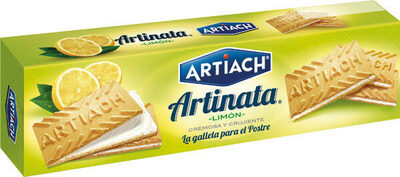 ARTIACH
Wafer Biscuits With Lemon Cream Filling, Lemon
High in saturated fat — 30% DV per serving
High in added sugars — 22% DV per serving
492kcal
3.8Protein
22.7Fat
68.2Carbs
Premier Organics, Inc.
Klas Sarrjevo, Jaro Vaffle, Jaro Rum, Jaro Rum
462kcal
5.3Protein
27.6Fat
50Carbs
ARTIACH
Wafer Biscuits With Lemon Cream Filling, Lemon
High in saturated fat — 30% DV per serving
High in added sugars — 22% DV per serving
492kcal
3.8Protein
22.7Fat
68.2Carbs
Premier Organics, Inc.
Klas Sarrjevo, Jaro Vaffle, Jaro Rum, Jaro Rum
462kcal
5.3Protein
27.6Fat
50Carbs
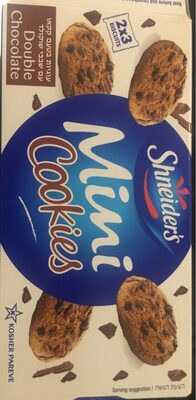 Keep Kids Alive Drive 25
Mini Cookies, Double Chocolate
High in saturated fat — 20% DV per serving
500kcal
6.7Protein
23.3Fat
63.3Carbs
Gmi European Food Distributors
Happy Wafers Minis With Vanilla Flavored Cream, Vanilla Cream
High in sodium — 21% DV per serving
—kcal
6.5Protein
29Fat
60Carbs
Keep Kids Alive Drive 25
Chocolate Chips Mini Cookies, Chocolate Chips
High in saturated fat — 20% DV per serving
533kcal
6.7Protein
26.7Fat
63.3Carbs
Keep Kids Alive Drive 25
Mini Cookies, Double Chocolate
High in saturated fat — 20% DV per serving
500kcal
6.7Protein
23.3Fat
63.3Carbs
Gmi European Food Distributors
Happy Wafers Minis With Vanilla Flavored Cream, Vanilla Cream
High in sodium — 21% DV per serving
—kcal
6.5Protein
29Fat
60Carbs
Keep Kids Alive Drive 25
Chocolate Chips Mini Cookies, Chocolate Chips
High in saturated fat — 20% DV per serving
533kcal
6.7Protein
26.7Fat
63.3Carbs