Emulsifying Salt
What is Emulsifying Salt?
Emulsifying salts are a group of salts, often sodium or potassium salts of phosphates or citrates. They are typically manufactured through chemical synthesis or by processing naturally occurring minerals.
Is Emulsifying Salt vegan?
Emulsifying Salt is not animal-derived. Products that contain it can still include other animal-derived ingredients, so check the full ingredient list.
Is Emulsifying Salt a major allergen?
Emulsifying salts themselves are not derived from major allergens.
What is Emulsifying Salt used for?
Manufacturers add emulsifying salts to processed cheeses and other dairy products to help fats and proteins blend smoothly.
Is Emulsifying Salt safe?
In the U.S., emulsifying salts like sodium citrate and various phosphates are generally recognized as safe (GRAS) by the FDA for use in food.
Why it's used
Manufacturers add emulsifying salts to processed cheeses and other dairy products to help fats and proteins blend smoothly. They prevent the separation of oil and water, creating a uniform texture and improving meltability.
Health notes
In the U.S., emulsifying salts like sodium citrate and various phosphates are generally recognized as safe (GRAS) by the FDA for use in food. International bodies like JECFA have evaluated phosphates and citrates, establishing acceptable daily intakes. At typical consumption levels in processed foods, they are not associated with adverse health effects for most people.
Allergen info
Emulsifying salts themselves are not derived from major allergens. However, they are often used in products containing major allergens like milk.
Foods that contain Emulsifying Salt
Compare products →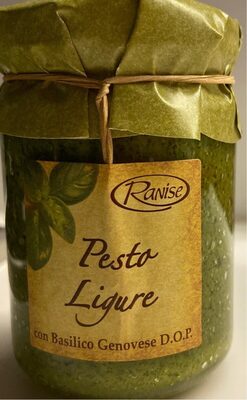
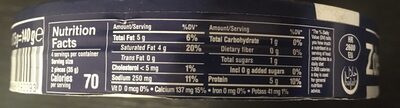


Learn more
Auto-generated content. This description was generated automatically and is pending editorial review. Inaccuracies are possible. Found a mistake? Contact us.