Encased In Beef Collagen Casing
What is Encased In Beef Collagen Casing?
This is the outer skin of sausages and hot dogs. It is made from the cleaned intestines of animals, most commonly cattle (beef) or pigs (pork). The intestines are processed, cleaned, and then formed into casings.
Is Encased In Beef Collagen Casing vegan?
No. Encased In Beef Collagen Casing is animal-derived, so it is not vegan.
Is Encased In Beef Collagen Casing a major allergen?
Not a major allergen.
What is Encased In Beef Collagen Casing used for?
Collagen casings are used to hold the ground meat mixture together during processing and cooking.
Is Encased In Beef Collagen Casing safe?
Beef collagen casings are generally recognized as safe (GRAS) by the FDA for use in food.
Why it's used
Collagen casings are used to hold the ground meat mixture together during processing and cooking. They give sausages and hot dogs their characteristic shape and a pleasant 'snap' when bitten. They are commonly found in sausages, hot dogs, pepperoni, and other cured or smoked meat products.
Health notes
Beef collagen casings are generally recognized as safe (GRAS) by the FDA for use in food. They are primarily protein and are digested like other food proteins. International bodies like JECFA and EFSA have evaluated collagen, and it is widely used globally.
Allergen info
Not a major allergen. It is derived from beef, which is not one of the 9 FDA major allergens.
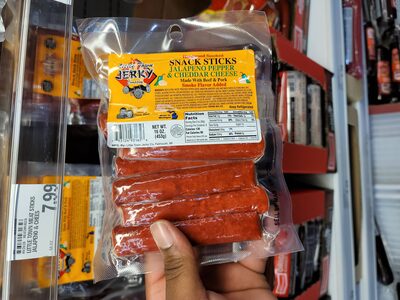
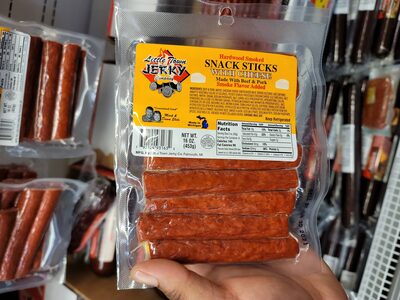
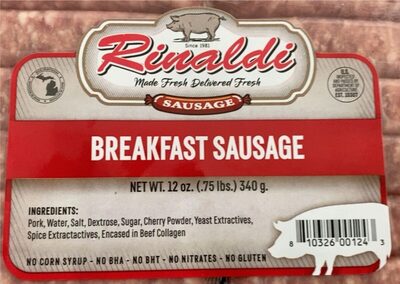
Foods that contain Encased In Beef Collagen Casing
Compare products →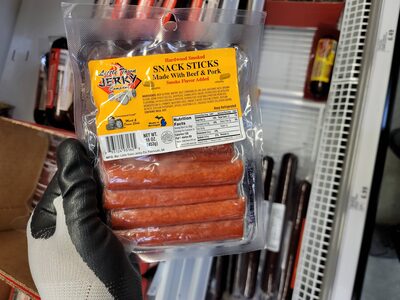
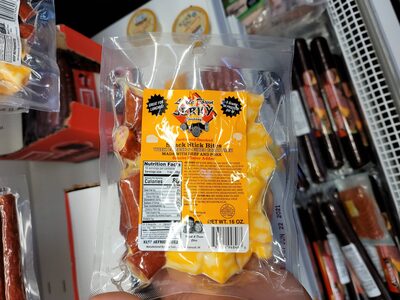


Learn more
Auto-generated content. This description was generated automatically and is pending editorial review. Inaccuracies are possible. Found a mistake? Contact us.