Enriched Cake Flour
What is Enriched Cake Flour?
Enriched cake flour is a finely milled wheat flour with a lower protein content than all-purpose flour. It is often bleached to create a softer texture and a whiter color. Enrichment adds back B vitamins (thiamin, riboflavin, niacin, folic acid) and iron that are lost during processing.
Is Enriched Cake Flour vegan?
Enriched Cake Flour is not animal-derived. Products that contain it can still include other animal-derived ingredients, so check the full ingredient list.
Is Enriched Cake Flour gluten-free?
It contains gluten.
Is Enriched Cake Flour a major allergen?
Enriched cake flour is derived from wheat, which is one of the FDA's major allergens.
What is Enriched Cake Flour used for?
Manufacturers use enriched cake flour to create tender, light, and delicate baked goods.
Is Enriched Cake Flour safe?
Enriched cake flour is generally recognized as safe (GRAS) by the FDA.
Why it's used
Manufacturers use enriched cake flour to create tender, light, and delicate baked goods. Its lower protein content helps prevent gluten development, resulting in a softer crumb. It is commonly found in cakes, cupcakes, cookies, pastries, and baking mixes.
Health notes
Enriched cake flour is generally recognized as safe (GRAS) by the FDA. The added nutrients contribute to the overall vitamin and mineral intake. International bodies like JECFA and EFSA have evaluated flour and its components. Typical consumption as part of a balanced diet is not associated with adverse health effects.
Allergen info
Enriched cake flour is derived from wheat, which is one of the FDA's major allergens. It contains gluten.
Foods that contain Enriched Cake Flour
Compare products →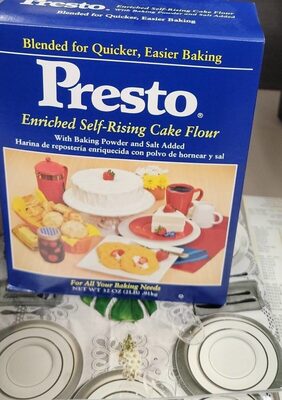
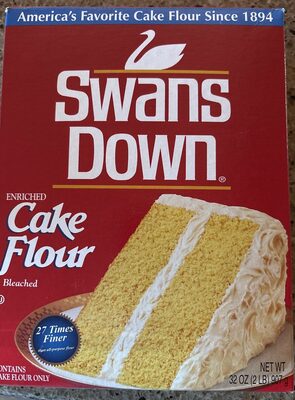
Learn more
Auto-generated content. This description was generated automatically and is pending editorial review. Inaccuracies are possible. Found a mistake? Contact us.