Enriched Orzo Pasta
Auto-generated content. This description was generated automatically and is pending editorial review. Inaccuracies are possible. Found a mistake? Contact us.
What it is
Orzo is a type of pasta shaped like a large grain of rice. It is typically made from durum wheat semolina, which is a coarse flour made from durum wheat. The pasta is usually enriched with iron and B vitamins, such as folic acid, niacin, riboflavin, and thiamin, to add nutritional value.
Why it's used
Enriched orzo pasta is often used as a base for pasta salads, pilafs, and side dishes. Manufacturers add it to products to provide a hearty texture and absorb flavors from sauces and seasonings. It is commonly found in rice mixes, entrees, and side dishes.
Health notes
Enriched orzo pasta is considered a grain product and a source of carbohydrates and added nutrients. The U.S. Food and Drug Administration (FDA) considers enriched pasta products to be safe and nutritious when consumed as part of a balanced diet. International bodies like the Joint FAO/WHO Expert Committee on Food Additives (JECFA) and the European Food Safety Authority (EFSA) have evaluated many food additives, but specific evaluations for 'enriched orzo pasta' as a whole ingredient are not typically listed. Consumption of refined grains like pasta can contribute to overall carbohydrate intake, and enrichment helps restore some nutrients lost during processing.
Allergen info
Enriched orzo pasta is made from wheat, which is one of the 9 FDA major allergens. It also contains gluten, a protein found in wheat.
Products containing Enriched Orzo Pasta
Compare products →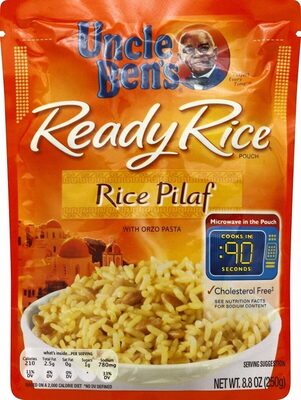 Uncle Ben's Inc.
Uncle Bean's, Ready Rice, Rice Pilaf With Orzo Pasta
135kcal
3.2Protein
1.6Fat
27.7Carbs
Blount Seafood Corporation
Chicken, Broccoli & Cheddar Cheese With Orzo Pasta
High in sodium — 48% DV per serving
High in saturated fat — 60% DV per serving
High in cholesterol — 35% DV per serving
155kcal
9.8Protein
9.4Fat
8.2Carbs
Raley's
Lemon Basil Orzo Pasta With Chicken
High in sodium — 42% DV per serving
High in saturated fat — 22% DV per serving
146kcal
7.6Protein
6.3Fat
15.7Carbs
Meijer, Inc.
Signature, Pesto Chicken With Lemon Thyme Orzo, Grape Tomatoes, Basil Pesto, Lemon, Parmesan Cheese, And Spinach, Pesto
High in sodium — 90% DV per serving
High in saturated fat — 20% DV per serving
High in cholesterol — 40% DV per serving
141kcal
12.7Protein
5.1Fat
11.0Carbs
Uncle Ben's Inc.
Uncle Bean's, Ready Rice, Rice Pilaf With Orzo Pasta
135kcal
3.2Protein
1.6Fat
27.7Carbs
Blount Seafood Corporation
Chicken, Broccoli & Cheddar Cheese With Orzo Pasta
High in sodium — 48% DV per serving
High in saturated fat — 60% DV per serving
High in cholesterol — 35% DV per serving
155kcal
9.8Protein
9.4Fat
8.2Carbs
Raley's
Lemon Basil Orzo Pasta With Chicken
High in sodium — 42% DV per serving
High in saturated fat — 22% DV per serving
146kcal
7.6Protein
6.3Fat
15.7Carbs
Meijer, Inc.
Signature, Pesto Chicken With Lemon Thyme Orzo, Grape Tomatoes, Basil Pesto, Lemon, Parmesan Cheese, And Spinach, Pesto
High in sodium — 90% DV per serving
High in saturated fat — 20% DV per serving
High in cholesterol — 40% DV per serving
141kcal
12.7Protein
5.1Fat
11.0Carbs