Enriched Pasta Wheat Flour
Auto-generated content. This description was generated automatically and is pending editorial review. Inaccuracies are possible. Found a mistake? Contact us.
What it is
Enriched pasta wheat flour is made from refined wheat flour that has had certain nutrients added back after processing. These nutrients typically include iron and several B vitamins like folic acid, niacin, riboflavin, and thiamin. This enrichment process helps to restore nutrients lost during the milling of wheat into white flour.
Why it's used
Manufacturers use enriched wheat flour as a base for pasta, bread, and baked goods. It provides structure and texture to foods. It is commonly found in packaged pasta products, bread, crackers, and cereals.
Health notes
Enriched wheat flour is a staple in the US diet and is generally recognized as safe (GRAS) by the FDA. The added nutrients can help prevent deficiencies, particularly in populations with limited access to a varied diet. The World Health Organization (WHO) has evaluated folic acid, one of the added nutrients, and noted its importance in preventing neural tube defects. Evidence does not suggest adverse health effects from the consumption of enriched flour at typical dietary levels.
Allergen info
Enriched pasta wheat flour is derived from wheat, which is one of the 9 FDA major allergens. It contains gluten.
Products containing Enriched Pasta Wheat Flour
Compare products →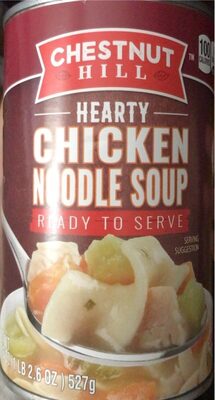 Family Dollar Stores Inc.
Chicken Noodle Soup, Chicken Noodle
High in sodium — 33% DV per serving
41kcal
2.5Protein
1.2Fat
4.9Carbs
Conagra Brands, Inc.
Alfredo Fettuccini Pasta In A Creamy Parmesan And Romano Flavored Alfredo Sauce Easy Sides, Alfredo
High in sodium — 33% DV per serving
High in saturated fat — 20% DV per serving
390kcal
11.9Protein
10.2Fat
64.4Carbs
Family Dollar Stores Inc.
Chicken Noodle Soup, Chicken Noodle
High in sodium — 33% DV per serving
41kcal
2.5Protein
1.2Fat
4.9Carbs
Conagra Brands, Inc.
Alfredo Fettuccini Pasta In A Creamy Parmesan And Romano Flavored Alfredo Sauce Easy Sides, Alfredo
High in sodium — 33% DV per serving
High in saturated fat — 20% DV per serving
390kcal
11.9Protein
10.2Fat
64.4Carbs