Chicken Fat
What is Chicken Fat?
Chicken fat is a type of animal fat obtained from chickens. It is created by rendering, a process that melts the fat from the chicken tissues, separating it from water and other solids. This process yields a clear, yellowish fat.
Is Chicken Fat vegan?
No. Chicken Fat is animal-derived, so it is not vegan.
Is Chicken Fat a major allergen?
Not a major allergen.
What is Chicken Fat used for?
Manufacturers add chicken fat to foods primarily for its rich flavor and to improve texture.
Is Chicken Fat safe?
In the United States, chicken fat is generally recognized as safe (GRAS) by the FDA when used in accordance with good manufacturing practices.
Why it's used
Manufacturers add chicken fat to foods primarily for its rich flavor and to improve texture. It is often used in soups, broths, sauces, and savory baked goods to add moisture and a desirable mouthfeel. It also serves as a cooking medium, similar to other animal fats.
Health notes
In the United States, chicken fat is generally recognized as safe (GRAS) by the FDA when used in accordance with good manufacturing practices. As a dietary fat, it provides calories and contains both saturated and unsaturated fats. The Dietary Guidelines for Americans (2025-2030) advise keeping saturated fat intake to less than 10% of daily calories. There are no specific controversies regarding chicken fat itself, beyond general dietary recommendations for fat intake.
Allergen info
Not a major allergen.
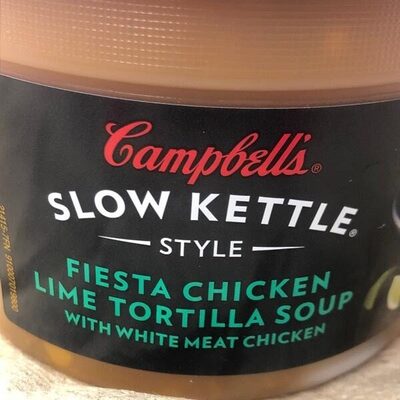
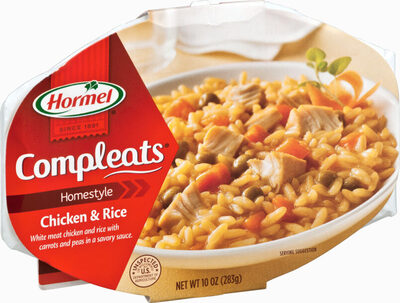
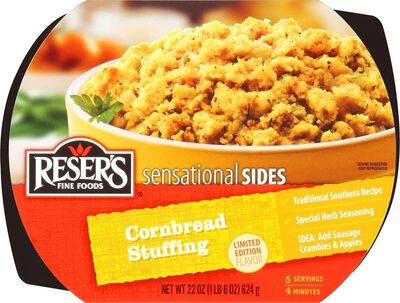
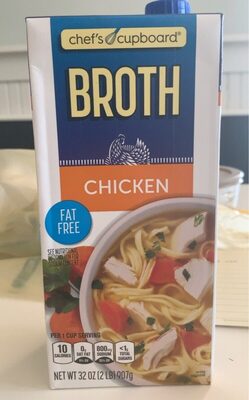
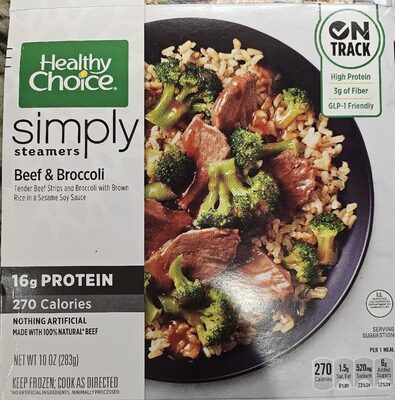
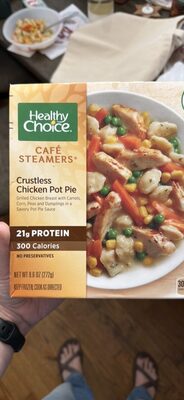
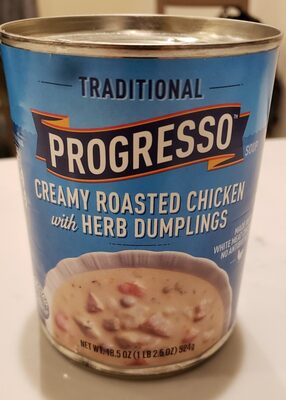
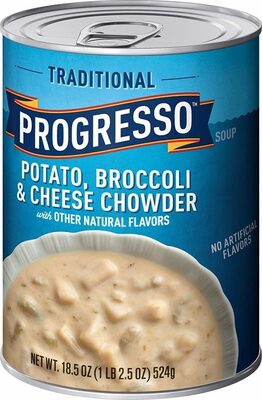
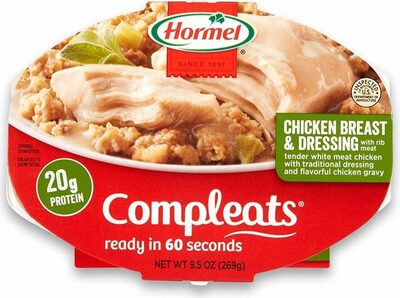
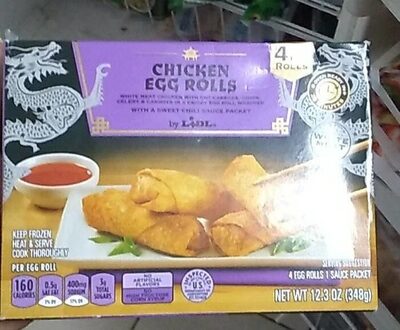
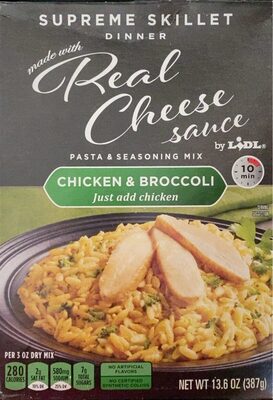
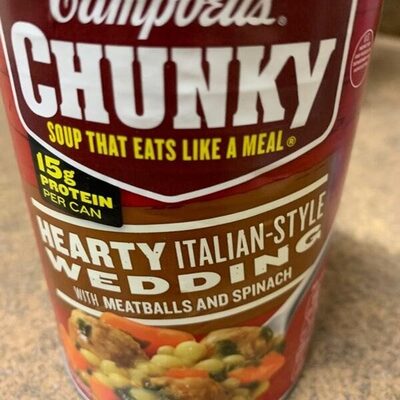
Foods that contain Chicken Fat
Compare products →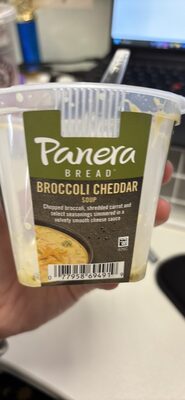
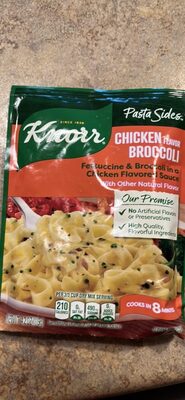

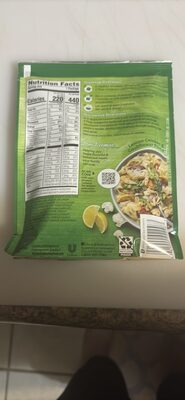

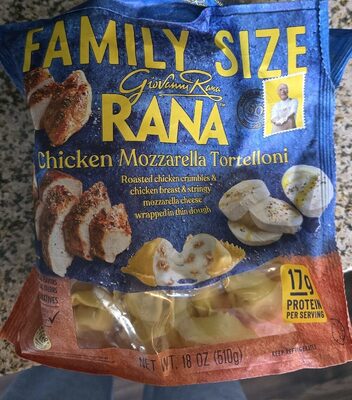

Learn more
Auto-generated content. This description was generated automatically and is pending editorial review. Inaccuracies are possible. Found a mistake? Contact us.