Enriched Spaetzle Dumplings
What is Enriched Spaetzle Dumplings?
Spaetzle are soft egg noodles or dumplings common in German, Austrian, and Swiss cuisine. They are typically made from a simple batter of flour, eggs, and water or milk, which is then pushed or scraped through a spaetzle maker into boiling water or broth to cook.
Is Enriched Spaetzle Dumplings vegan?
No. Enriched Spaetzle Dumplings is animal-derived, so it is not vegan.
Is Enriched Spaetzle Dumplings gluten-free?
Gluten is present due to the wheat.
Is Enriched Spaetzle Dumplings a major allergen?
Spaetzle is typically made with wheat flour and eggs, both of which are major allergens.
What is Enriched Spaetzle Dumplings used for?
Enriched spaetzle dumplings are often used as a starch component in prepared foods, adding a soft, chewy texture.
Is Enriched Spaetzle Dumplings safe?
Enriched spaetzle dumplings are primarily a source of carbohydrates and some protein.
Why it's used
Enriched spaetzle dumplings are often used as a starch component in prepared foods, adding a soft, chewy texture. They are commonly found in canned soups, stews, and frozen meal entrees, where they absorb flavors from the surrounding liquid.
Health notes
Enriched spaetzle dumplings are primarily a source of carbohydrates and some protein. The FDA considers enriched flour products to be safe. Regulatory bodies like JECFA and EFSA have evaluated many common food ingredients, but specific evaluations for 'enriched spaetzle dumplings' as a distinct entity are not typically found. No significant health controversies are associated with the consumption of spaetzle at typical dietary levels.
Allergen info
Spaetzle is typically made with wheat flour and eggs, both of which are major allergens. It may also contain milk. Gluten is present due to the wheat.
Foods that contain Enriched Spaetzle Dumplings
Compare products →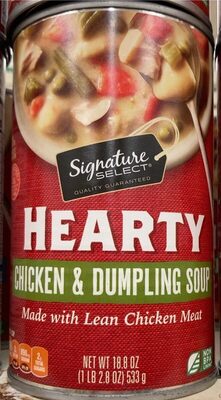
Learn more
Auto-generated content. This description was generated automatically and is pending editorial review. Inaccuracies are possible. Found a mistake? Contact us.