Enrichedflour
What is Enrichedflour?
Enriched flour is white flour, usually made from wheat, that has had certain nutrients added back after processing. During the milling of flour, some parts of the grain are removed, which also removes some vitamins and minerals. To make up for this, iron and B vitamins (folic acid, riboflavin, niacin, and thiamine) are put back into the flour.
Is Enrichedflour vegan?
Enrichedflour is not animal-derived. Products that contain it can still include other animal-derived ingredients, so check the full ingredient list.
Is Enrichedflour gluten-free?
It also contains gluten.
Is Enrichedflour a major allergen?
Enriched flour is typically made from wheat, which is one of the nine major food allergens identified by the FDA.
What is Enrichedflour used for?
Manufacturers use enriched flour to provide structure and texture in a wide variety of baked goods.
Is Enrichedflour safe?
Enriched flour is a commonly used food ingredient in the United States.
Why it's used
Manufacturers use enriched flour to provide structure and texture in a wide variety of baked goods. It is a common ingredient in breads, cakes, cookies, pasta, and many other processed foods. Its fine texture and consistent baking properties make it versatile for many recipes.
Health notes
Enriched flour is a commonly used food ingredient in the United States. The FDA does not classify it as an additive but as a food ingredient. The addition of folic acid to enriched grain products has been shown to reduce the risk of neural tube birth defects. While enriched flour provides essential nutrients, the Dietary Guidelines for Americans (2025-2030) recommend choosing whole grains whenever possible, as they contain more fiber and other beneficial compounds.
Allergen info
Enriched flour is typically made from wheat, which is one of the nine major food allergens identified by the FDA. It also contains gluten.
Foods that contain Enrichedflour
Compare products →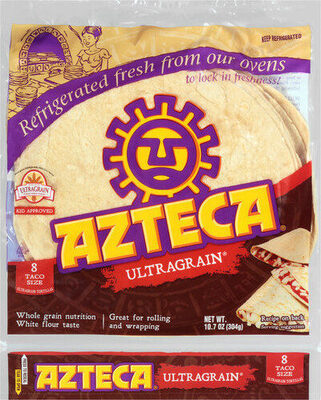
Learn more
Auto-generated content. This description was generated automatically and is pending editorial review. Inaccuracies are possible. Found a mistake? Contact us.