Enymes
What is Enymes?
Enzymes are proteins that speed up chemical reactions. They are naturally found in all living organisms, including plants, animals, and microbes. In food production, enzymes are often produced using fermentation with specific microorganisms or extracted from plant or animal sources.
Is Enymes gluten-free?
Gluten-free status depends on the source and processing.
Is Enymes a major allergen?
Enzymes themselves are not typically considered major allergens.
What is Enymes used for?
Enzymes are used in food processing to improve texture, flavor, and shelf life.
Is Enymes safe?
Enzymes used in food are generally recognized as safe (GRAS) by the FDA or approved as food additives.
Why it's used
Enzymes are used in food processing to improve texture, flavor, and shelf life. They can act as clarifying agents in juices, help dough rise in baking, or aid in cheese production. Common applications include dairy products, baked goods, and beverages.
Health notes
Enzymes used in food are generally recognized as safe (GRAS) by the FDA or approved as food additives. They are typically broken down during digestion like other proteins, and are not expected to cause adverse health effects at the levels found in food. International bodies like JECFA and EFSA have evaluated enzymes, and generally consider them safe for use in food.
Allergen info
Enzymes themselves are not typically considered major allergens. However, if an enzyme is derived from a source that is a major allergen (like milk, soy, or wheat), it could potentially contain allergenic proteins. Gluten-free status depends on the source and processing.
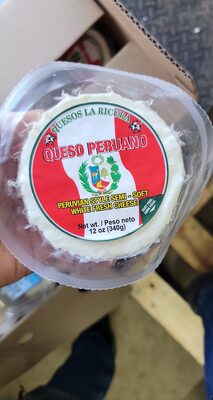
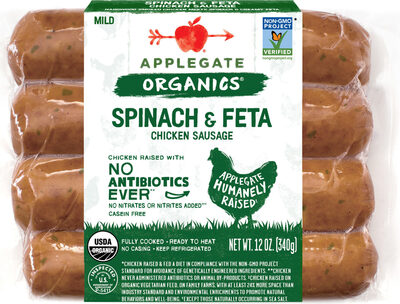
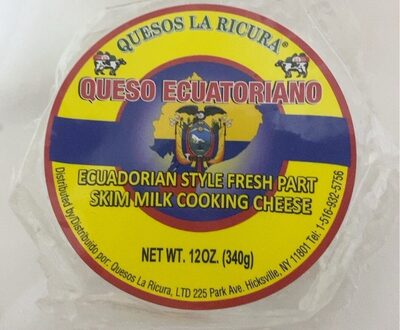
Foods that contain Enymes
Compare products →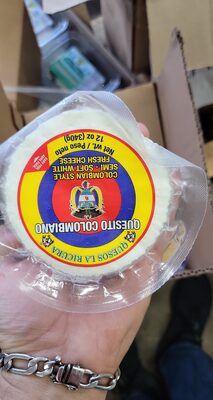

Auto-generated content. This description was generated automatically and is pending editorial review. Inaccuracies are possible. Found a mistake? Contact us.