Enzymes And Penicillium Roqueforti
What is Enzymes And Penicillium Roqueforti?
Enzymes are proteins that speed up chemical reactions. Penicillium roqueforti is a mold used to produce the characteristic flavor and blue veins in Roquefort and other blue cheeses. It is typically added to cheese cultures during the cheesemaking process.
Is Enzymes And Penicillium Roqueforti a major allergen?
Penicillium roqueforti is a mold, not one of the 9 major allergens.
What is Enzymes And Penicillium Roqueforti used for?
Enzymes are added to foods to improve texture, flavor, and shelf life.
Is Enzymes And Penicillium Roqueforti safe?
Enzymes used in food production are generally recognized as safe (GRAS) by the FDA.
Why it's used
Enzymes are added to foods to improve texture, flavor, and shelf life. Penicillium roqueforti is specifically used in the production of blue cheeses to develop their distinctive taste and appearance. It is found in various types of blue cheese.
Health notes
Enzymes used in food production are generally recognized as safe (GRAS) by the FDA. Penicillium roqueforti is a traditional component of blue cheese and is not typically associated with adverse health effects when consumed as part of cheese. International bodies like JECFA (Joint FAO/WHO Expert Committee on Food Additives) evaluate food additives, but specific evaluations for this mold in cheese are not widely publicized as a distinct additive.
Allergen info
Penicillium roqueforti is a mold, not one of the 9 major allergens. However, blue cheese itself is a dairy product, which is a major allergen.
Foods that contain Enzymes And Penicillium Roqueforti
Compare products →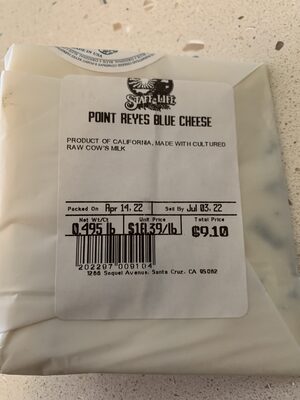
Learn more
Auto-generated content. This description was generated automatically and is pending editorial review. Inaccuracies are possible. Found a mistake? Contact us.