Enzymes Broccoli
What is Enzymes Broccoli?
Enzymes are proteins that speed up chemical reactions. In food processing, enzymes are often derived from microorganisms like yeast or bacteria, or from plant sources such as broccoli. They are used to modify food components and improve texture, flavor, or shelf life.
Is Enzymes Broccoli vegan?
Enzymes Broccoli is not animal-derived. Products that contain it can still include other animal-derived ingredients, so check the full ingredient list.
Is Enzymes Broccoli gluten-free?
Gluten is not a major allergen category.
Is Enzymes Broccoli a major allergen?
Enzymes themselves are not typically considered major allergens.
What is Enzymes Broccoli used for?
Enzymes can be used in a variety of food applications to achieve specific results.
Is Enzymes Broccoli safe?
Enzymes used in food processing are generally regarded as safe (GRAS) by the FDA.
Why it's used
Enzymes can be used in a variety of food applications to achieve specific results. For example, they might be used to break down starches into sugars, modify proteins, or enhance the natural flavors of ingredients. In products like stuffed chicken or egg bites, they can help improve texture and consistency.
Health notes
Enzymes used in food processing are generally regarded as safe (GRAS) by the FDA. They are proteins that are typically broken down during digestion. International bodies like JECFA have evaluated many food enzymes. At typical consumption levels, they are not associated with adverse health effects. There is no widespread controversy regarding their use in food.
Allergen info
Enzymes themselves are not typically considered major allergens. However, if derived from sources like wheat or soy, they could potentially contain trace amounts of allergens. Gluten is not a major allergen category.
Foods that contain Enzymes Broccoli
Compare products →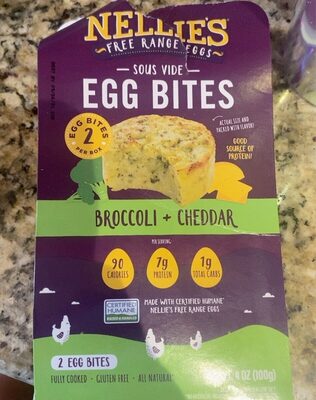 Pete and Gerry's Organics
Broccoli + Cheddar Sous Vide Egg Bites, Broccoli + Cheddar
High in cholesterol — 55% DV per serving
180kcal
14Protein
14Fat
2Carbs
ProPortion Foods, LLC
Broccoli Au Gratin Stuffed Chicken Breast
High in sodium — 25% DV per serving
High in cholesterol — 27% DV per serving
136kcal
19.3Protein
5Fat
4.3Carbs
ProPortion Foods, LLC
Broccoli Gratin Stuffed Chicken Breast
High in sodium — 25% DV per serving
High in cholesterol — 27% DV per serving
136kcal
19.3Protein
5Fat
4.3Carbs
Pete and Gerry's Organics
Broccoli + Cheddar Sous Vide Egg Bites, Broccoli + Cheddar
High in cholesterol — 55% DV per serving
180kcal
14Protein
14Fat
2Carbs
ProPortion Foods, LLC
Broccoli Au Gratin Stuffed Chicken Breast
High in sodium — 25% DV per serving
High in cholesterol — 27% DV per serving
136kcal
19.3Protein
5Fat
4.3Carbs
ProPortion Foods, LLC
Broccoli Gratin Stuffed Chicken Breast
High in sodium — 25% DV per serving
High in cholesterol — 27% DV per serving
136kcal
19.3Protein
5Fat
4.3Carbs
Auto-generated content. This description was generated automatically and is pending editorial review. Inaccuracies are possible. Found a mistake? Contact us.