Enzymes Provolone Cheese
What is Enzymes Provolone Cheese?
Enzymes are proteins that help speed up chemical reactions. In cheesemaking, they are used to break down milk proteins and fats, which helps develop flavor and texture. Enzymes used in food production can come from animal, plant, or microbial sources.
Is Enzymes Provolone Cheese a major allergen?
Not a major allergen.
What is Enzymes Provolone Cheese used for?
Manufacturers add enzymes to cheese to aid in the coagulation of milk and to develop characteristic flavors and textures during aging.
Is Enzymes Provolone Cheese safe?
Enzymes used in food production are generally recognized as safe (GRAS) by the FDA.
Why it's used
Manufacturers add enzymes to cheese to aid in the coagulation of milk and to develop characteristic flavors and textures during aging. They are essential for producing many types of cheese, including provolone. Enzymes are commonly found in dairy products and some baked goods.
Health notes
Enzymes used in food production are generally recognized as safe (GRAS) by the FDA. They are naturally occurring proteins that are broken down during digestion. Regulatory bodies like JECFA and EFSA have evaluated many food enzymes, and they are widely used globally. There are no significant health controversies associated with the typical use of enzymes in food.
Allergen info
Not a major allergen. Enzymes themselves are proteins, but the final cheese product may contain milk, which is a major allergen.
Foods that contain Enzymes Provolone Cheese
Compare products →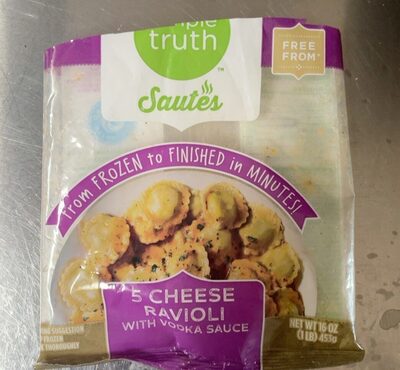
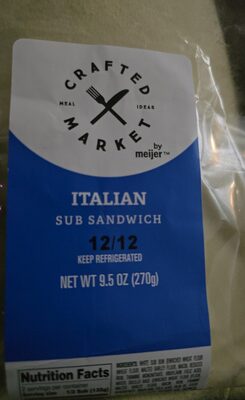
Auto-generated content. This description was generated automatically and is pending editorial review. Inaccuracies are possible. Found a mistake? Contact us.