Esterified Propoxylated Glycerol
What is Esterified Propoxylated Glycerol?
Esterified propoxylated glycerol (EPG) is a type of modified fat. It is made by chemically reacting glycerol with propylene oxide and then with fatty acids. This process changes the physical properties of the glycerol to create a fat substitute.
Is Esterified Propoxylated Glycerol a major allergen?
Not a major allergen.
What is Esterified Propoxylated Glycerol used for?
EPG is used as a fat replacer in foods, particularly in confectionery like chocolate and candy.
Is Esterified Propoxylated Glycerol safe?
EPG is generally recognized as safe (GRAS) by the FDA for use as a fat substitute.
Why it's used
EPG is used as a fat replacer in foods, particularly in confectionery like chocolate and candy. It can provide a similar mouthfeel to fat but with fewer calories. Manufacturers use it to reduce the fat and calorie content of products while maintaining desirable texture and taste.
Health notes
EPG is generally recognized as safe (GRAS) by the FDA for use as a fat substitute. Studies have shown it is poorly absorbed by the body and passes through the digestive system largely undigested, contributing fewer calories than traditional fats. International bodies like JECFA have not set a specific ADI for EPG, but its use is permitted in many countries.
Allergen info
Not a major allergen.
Foods that contain Esterified Propoxylated Glycerol
Compare products →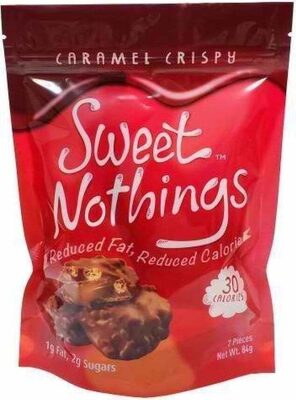
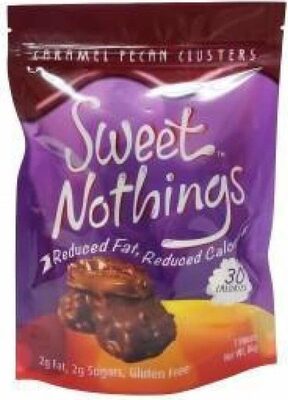
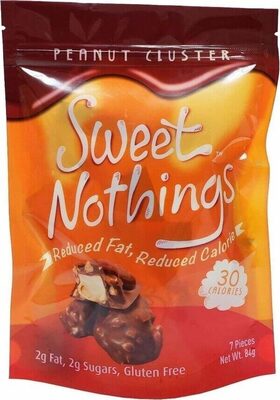
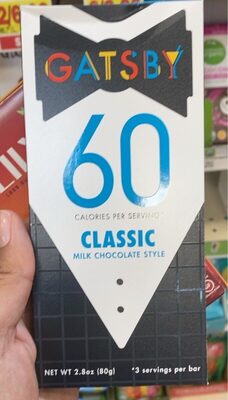
Learn more
Auto-generated content. This description was generated automatically and is pending editorial review. Inaccuracies are possible. Found a mistake? Contact us.