Evaporated Cane Sugar
What is Evaporated Cane Sugar?
Evaporated cane sugar is a less processed form of sugar made from sugarcane juice. After the sugarcane is harvested, the juice is extracted, heated, and then dried into crystals. This process retains some of the natural molasses content, giving it a slightly different color and flavor compared to refined white sugar.
Is Evaporated Cane Sugar vegan?
Evaporated Cane Sugar is not animal-derived. Products that contain it can still include other animal-derived ingredients, so check the full ingredient list.
Is Evaporated Cane Sugar a major allergen?
Not a major allergen.
What is Evaporated Cane Sugar used for?
Manufacturers use evaporated cane sugar primarily as a sweetener, adding a slightly caramel-like flavor to foods.
Is Evaporated Cane Sugar safe?
Evaporated cane sugar is generally recognized as safe (GRAS) by the FDA for use as a sweetener.
Why it's used
Manufacturers use evaporated cane sugar primarily as a sweetener, adding a slightly caramel-like flavor to foods. It functions similarly to granulated sugar in baking and cooking. It is commonly found in baked goods, sauces, marinades, and beverages.
Health notes
Evaporated cane sugar is generally recognized as safe (GRAS) by the FDA for use as a sweetener. Like other sugars, it provides calories and can contribute to dental caries and other health issues if consumed in excess. The WHO has stated that added sugars should be reduced in the diet. JECFA has evaluated sugars and their metabolic effects.
Allergen info
Not a major allergen.
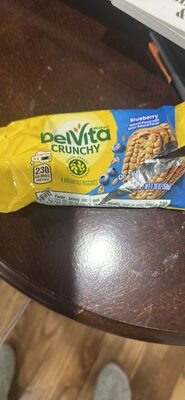
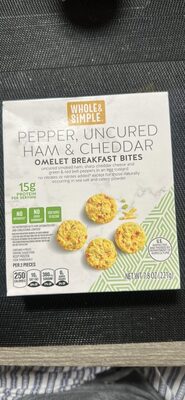
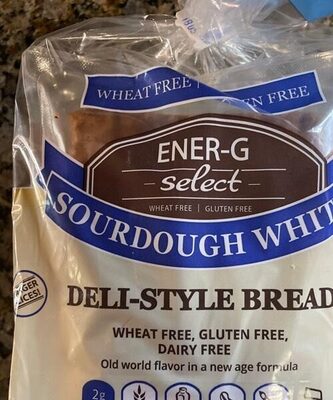
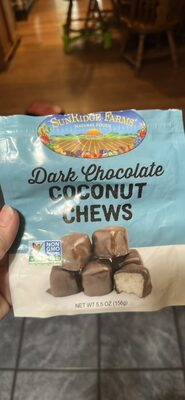
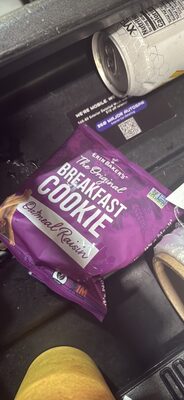
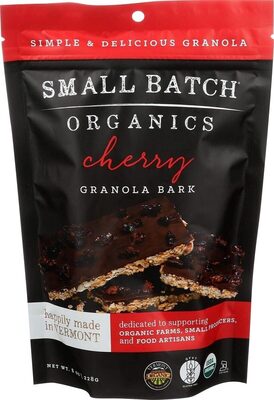
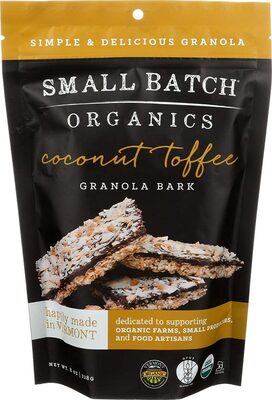
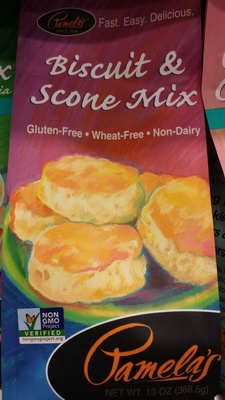
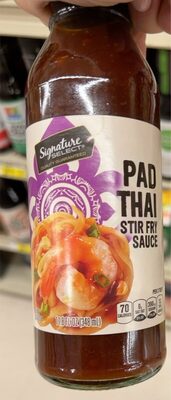
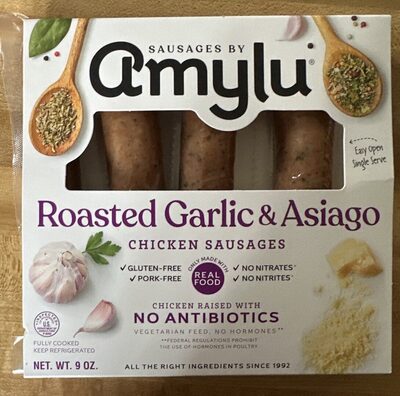
Foods that contain Evaporated Cane Sugar
Compare products →




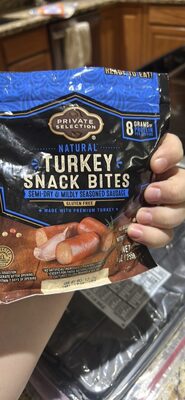
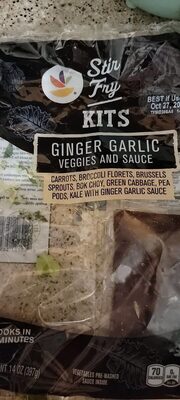
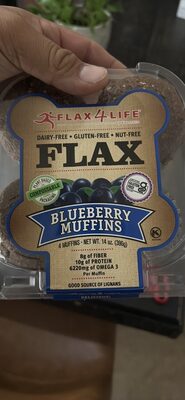
Learn more
Auto-generated content. This description was generated automatically and is pending editorial review. Inaccuracies are possible. Found a mistake? Contact us.