Extra Virgin Olive Oil 97
Auto-generated content. This description was generated automatically and is pending editorial review. Inaccuracies are possible. Found a mistake? Contact us.
What it is
Extra virgin olive oil is the highest grade of olive oil, made from the fruit of the olive tree. It is produced by mechanically pressing olives without the use of heat or chemicals, preserving the oil's natural flavor and nutrients. This process results in a pure, unrefined oil with a characteristic fruity aroma and taste.
Why it's used
Manufacturers use extra virgin olive oil primarily as a cooking oil and a flavorful ingredient. Its rich taste makes it ideal for salad dressings, marinades, and finishing dishes. It is also used in pesto, sauces, and as a dip for bread.
Health notes
Extra virgin olive oil is generally recognized as safe (GRAS) by the FDA for use in food. It is a source of monounsaturated fats and antioxidants, which are associated with potential heart health benefits in dietary patterns. JECFA has evaluated olive oil and did not specify an acceptable daily intake. Research on the health effects of olive oil is ongoing, with most studies focusing on its role within a balanced diet.
Allergen info
Not a major allergen. Extra virgin olive oil is derived from olives and does not contain gluten.
Products containing Extra Virgin Olive Oil 97
Compare products →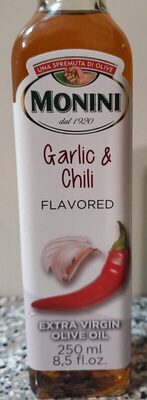 Monini S.P.A.
Flavored Extra Virgin Olive Oil, Garlic & Chili
800kcal
0Protein
93.3Fat
0Carbs
Monini S.P.A.
Flavored Extra Virgin Olive Oil, Garlic & Chili
800kcal
0Protein
93.3Fat
0Carbs
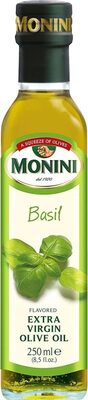 Monini S.P.A.
Extra Virgin Olive Oil, Basil
800kcal
0Protein
93.3Fat
0Carbs
Monini S.P.A.
Lemon Extra Virgin Olive Oil, Lemon
800kcal
0Protein
93.3Fat
0Carbs
Monini S.P.A.
Extra Virgin Olive Oil, Basil
800kcal
0Protein
93.3Fat
0Carbs
Monini S.P.A.
Lemon Extra Virgin Olive Oil, Lemon
800kcal
0Protein
93.3Fat
0Carbs