Extra Virgin Organic Olive Oil
Auto-generated content. This description was generated automatically and is pending editorial review. Inaccuracies are possible. Found a mistake? Contact us.
What it is
Extra virgin organic olive oil is the highest grade of olive oil, made from the first pressing of organic olives without the use of chemical solvents or excessive heat. It is produced by crushing olives and then extracting the oil from the resulting fruit paste. The 'extra virgin' designation means it meets specific standards for flavor, aroma, and low acidity.
Why it's used
Manufacturers use extra virgin organic olive oil for its rich flavor and healthy fat profile. It is commonly found in salad dressings, marinades, sauces, and as a finishing oil for dishes. It can also be used for low-to-medium heat cooking.
Health notes
Extra virgin olive oil is generally recognized as safe (GRAS) by the FDA. It is a source of monounsaturated fatty acids and antioxidants, which are associated with heart health benefits in scientific literature. The Joint FAO/WHO Expert Committee on Food Additives (JECFA) has evaluated olive oil. Evidence suggests that regular consumption as part of a balanced diet may contribute to cardiovascular health.
Allergen info
Not a major allergen. It is not derived from any of the 9 FDA major allergens. It does not contain gluten.
Products containing Extra Virgin Organic Olive Oil
Compare products →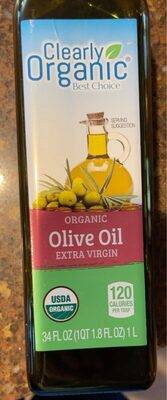 Associated Wholesale Grocers, Inc.
Organic Extra Virgin Organic Olive Oil
800kcal
0Protein
93.3Fat
0Carbs
Italian Imports LLC
Organic Olive Oil
800kcal
0Protein
93.3Fat
0Carbs
American Flatbread
Tomato Sauce & Three Cheese Handmade Thin & Crispy Pizza
High in sodium — 30% DV per serving
High in saturated fat — 25% DV per serving
234kcal
11.7Protein
7.8Fat
28.9Carbs
Associated Wholesale Grocers, Inc.
Organic Extra Virgin Organic Olive Oil
800kcal
0Protein
93.3Fat
0Carbs
Italian Imports LLC
Organic Olive Oil
800kcal
0Protein
93.3Fat
0Carbs
American Flatbread
Tomato Sauce & Three Cheese Handmade Thin & Crispy Pizza
High in sodium — 30% DV per serving
High in saturated fat — 25% DV per serving
234kcal
11.7Protein
7.8Fat
28.9Carbs
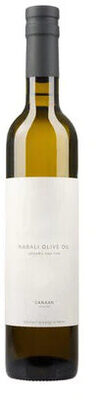 Canaan Fair Trade LLC.
Nabali Olive Oil
793kcal
0Protein
93.3Fat
0Carbs
Canaan Fair Trade LLC.
Nabali Olive Oil
793kcal
0Protein
93.3Fat
0Carbs
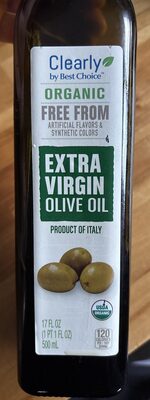 Associated Wholesale Grocers, Inc.
Organic Extra Virgin Olive Oil
833kcal
0Protein
93.3Fat
0Carbs
Mushroom Risotto Bites Rice With Mushrooms, Fontina Cheese & A Hint Of Truffle Oil Rolled In Panko Breading, Mushroom
447kcal
5.9Protein
9.4Fat
17.6Carbs
Associated Wholesale Grocers, Inc.
Organic Extra Virgin Olive Oil
833kcal
0Protein
93.3Fat
0Carbs
Mushroom Risotto Bites Rice With Mushrooms, Fontina Cheese & A Hint Of Truffle Oil Rolled In Panko Breading, Mushroom
447kcal
5.9Protein
9.4Fat
17.6Carbs