Extracts Of Paprika
What is Extracts Of Paprika?
Extracts of paprika are derived from the ground pods and seeds of the Capsicum annuum plant, commonly known as the paprika pepper. The extraction process uses solvents to isolate the coloring compounds (carotenoids) and flavor compounds from the plant material, resulting in a concentrated liquid or powder.
Is Extracts Of Paprika vegan?
Extracts Of Paprika is not animal-derived. Products that contain it can still include other animal-derived ingredients, so check the full ingredient list.
Is Extracts Of Paprika gluten-free?
Extracts of paprika are not derived from any of the 9 FDA major allergens and do not contain gluten.
What is Extracts Of Paprika used for?
Manufacturers use extracts of paprika primarily as a natural coloring agent to impart red, orange, or yellow hues to foods.
Is Extracts Of Paprika safe?
In the U.S., extracts of paprika are Generally Recognized As Safe (GRAS) by the FDA for use as a food ingredient.
Why it's used
Manufacturers use extracts of paprika primarily as a natural coloring agent to impart red, orange, or yellow hues to foods. It is also used to add a mild, sweet, or slightly pungent flavor. You can find it in processed meats, cheeses, snacks, sauces, and baked goods.
Health notes
In the U.S., extracts of paprika are Generally Recognized As Safe (GRAS) by the FDA for use as a food ingredient. They are a source of antioxidants, such as capsanthin, which are being studied for potential health benefits. International bodies like JECFA have evaluated paprika extracts and found them to be safe for consumption. Evidence does not suggest adverse health effects at typical dietary levels.
Allergen info
Extracts of paprika are not derived from any of the 9 FDA major allergens and do not contain gluten.
Foods that contain Extracts Of Paprika
Compare products →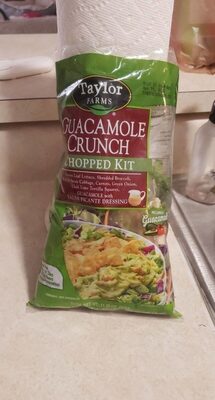


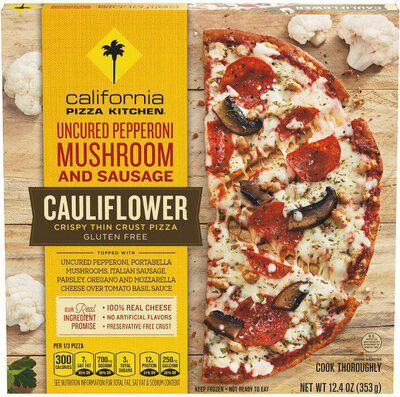




Learn more
Auto-generated content. This description was generated automatically and is pending editorial review. Inaccuracies are possible. Found a mistake? Contact us.