Fermented Seasoning
What is Fermented Seasoning?
Fermented seasoning is a liquid condiment made by fermenting ingredients like soybeans, wheat, or rice. This process, often involving yeast, bacteria, or mold, breaks down starches and proteins, creating complex savory (umami) flavors and aromas. It is a staple in many Asian cuisines.
Is Fermented Seasoning gluten-free?
Gluten may be present if wheat is used.
Is Fermented Seasoning a major allergen?
Depending on the base ingredients, fermented seasoning may contain allergens like soy or wheat.
What is Fermented Seasoning used for?
Manufacturers use fermented seasoning to add depth, richness, and umami flavor to foods.
Is Fermented Seasoning safe?
Fermented seasoning is generally recognized as safe (GRAS) by the FDA for use in food.
Why it's used
Manufacturers use fermented seasoning to add depth, richness, and umami flavor to foods. It can also contribute to browning and a slightly salty taste. It is commonly found in soups, sauces, marinades, baked goods, and savory snacks.
Health notes
Fermented seasoning is generally recognized as safe (GRAS) by the FDA for use in food. The fermentation process can create beneficial compounds, and some fermented foods are associated with gut health benefits. International bodies like JECFA have evaluated similar fermented products. Evidence on specific health impacts at typical consumption levels is ongoing.
Allergen info
Depending on the base ingredients, fermented seasoning may contain allergens like soy or wheat. Check product labels for specific allergen information. Gluten may be present if wheat is used.
Foods that contain Fermented Seasoning
Compare products →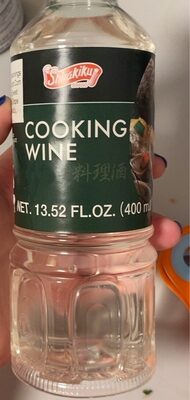
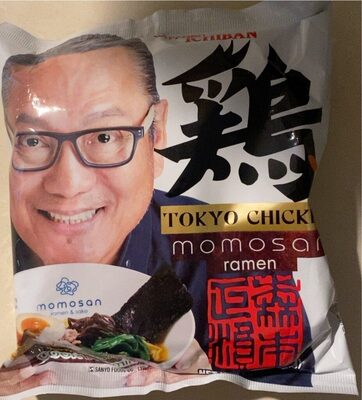
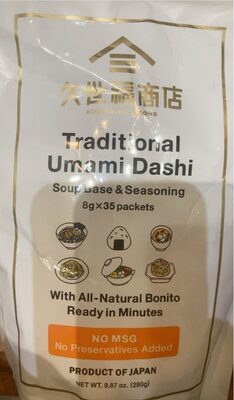
Learn more
Auto-generated content. This description was generated automatically and is pending editorial review. Inaccuracies are possible. Found a mistake? Contact us.