Flavour Enhancers
Auto-generated content. This description was generated automatically and is pending editorial review. Inaccuracies are possible. Found a mistake? Contact us.
What it is
Flavor enhancers are substances added to food to boost or modify its existing taste and aroma. They can be naturally occurring compounds or synthesized. Many are derived from amino acids or nucleotides.
Why it's used
These ingredients are used to intensify the savory (umami) taste of foods, making them more appealing. They are commonly found in processed foods like soups, sauces, snack foods, and spice mixes.
Health notes
In the U.S., many flavor enhancers, such as monosodium glutamate (MSG), are Generally Recognized As Safe (GRAS) by the FDA. Some individuals report sensitivity to MSG, experiencing symptoms like headaches or flushing, though scientific studies have not consistently linked these symptoms to MSG consumption at typical levels. International bodies like JECFA and EFSA have evaluated flavor enhancers, generally concluding they are safe for consumption within specified limits. Evidence is mixed on whether they cause adverse effects in sensitive individuals.
Allergen info
Flavor enhancers themselves are not typically major allergens. However, some may be derived from ingredients like soy or wheat, which are major allergens. Always check the product label for specific allergen information.
Products containing Flavour Enhancers
Compare products →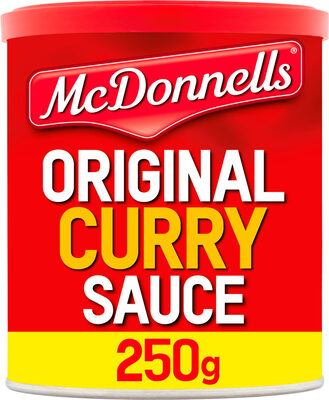 MCDONNELLS
Original Curry Sauce
109kcal
1.8Protein
4.1Fat
13.2Carbs
HONIG
Spring Vegetable Soup Mix
High in sodium — 40% DV per serving
12kcal
0.4Protein
0.4Fat
1.6Carbs
HONIG
Vegetable Soup Mix
High in sodium — 37% DV per serving
36kcal
2.4Protein
2Fat
2.8Carbs
MCDONNELLS
Original Curry Sauce
109kcal
1.8Protein
4.1Fat
13.2Carbs
HONIG
Spring Vegetable Soup Mix
High in sodium — 40% DV per serving
12kcal
0.4Protein
0.4Fat
1.6Carbs
HONIG
Vegetable Soup Mix
High in sodium — 37% DV per serving
36kcal
2.4Protein
2Fat
2.8Carbs
 KUCHAREK
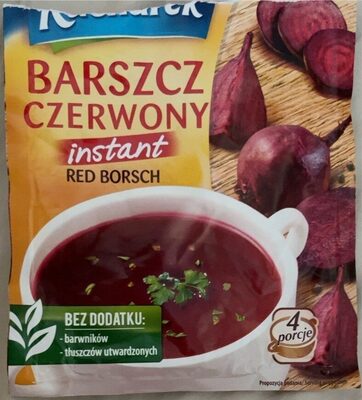
Instant Barszcz Czerwony
High in sodium — 29% DV per serving
19kcal
0Protein
0.2Fat
4.2Carbs
Baby Be Mine LLC
Pantainorasingh Brand, Bamboo Shoot
High in sodium — 73% DV per serving
11kcal
0.7Protein
0Fat
2.2Carbs
KUCHAREK
Instant Barszcz Czerwony
High in sodium — 29% DV per serving
19kcal
0Protein
0.2Fat
4.2Carbs
Baby Be Mine LLC
Pantainorasingh Brand, Bamboo Shoot
High in sodium — 73% DV per serving
11kcal
0.7Protein
0Fat
2.2Carbs
 Lee Kum Kee Co. Ltd.
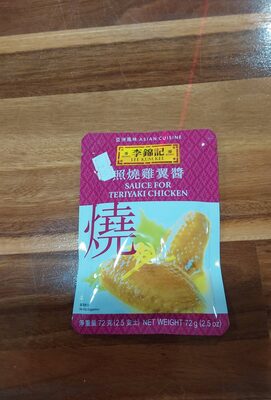
Sauce For Teriyaki Chicken
High in sodium — 26% DV per serving
200kcal
2.2Protein
0Fat
46.7Carbs
Pt Indofood Sukses Makmur Tbk
Indofood, Sambal Goreng Instant Seasoning Mix
High in sodium — 21% DV per serving
222kcal
11.1Protein
11.1Fat
22.2Carbs
Lee Kum Kee Co. Ltd.
Sauce For Teriyaki Chicken
High in sodium — 26% DV per serving
200kcal
2.2Protein
0Fat
46.7Carbs
Pt Indofood Sukses Makmur Tbk
Indofood, Sambal Goreng Instant Seasoning Mix
High in sodium — 21% DV per serving
222kcal
11.1Protein
11.1Fat
22.2Carbs
 Paskesz Candy Company
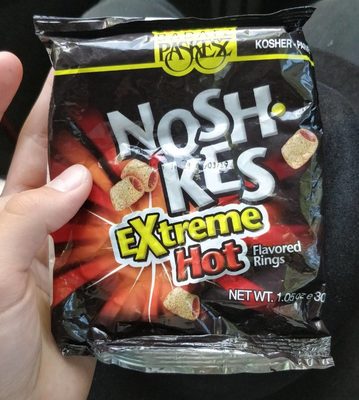
Nosh-Kes Rings, Extreme Hot
493kcal
3.6Protein
24.6Fat
63.6Carbs
Paskesz Candy Company
Noshkes Onion Ring
525kcal
8.6Protein
27.5Fat
60.7Carbs
Paskesz Candy Company
Hot Rings Flavored Snacks
521kcal
7.1Protein
27.5Fat
60.7Carbs
Paskesz Candy Company
Nosh-Kes Rings, Extreme Hot
493kcal
3.6Protein
24.6Fat
63.6Carbs
Paskesz Candy Company
Noshkes Onion Ring
525kcal
8.6Protein
27.5Fat
60.7Carbs
Paskesz Candy Company
Hot Rings Flavored Snacks
521kcal
7.1Protein
27.5Fat
60.7Carbs