For Tartness
This entry is a label phrase. See the main ingredient page: Tartness.
What is For Tartness?
Citric acid is a weak organic acid found naturally in citrus fruits like lemons and oranges. It is produced commercially through the fermentation of carbohydrates, typically from corn or sugar beets, using a specific strain of the mold Aspergillus niger.
Is For Tartness vegan?
For Tartness is not animal-derived. Products that contain it can still include other animal-derived ingredients, so check the full ingredient list.
Is For Tartness gluten-free?
Citric acid is not derived from any of the 9 FDA major allergens and does not contain gluten.
What is For Tartness used for?
Manufacturers add citric acid to provide a tart, sour taste and to act as a preservative by lowering pH.
Is For Tartness safe?
Citric acid is generally recognized as safe (GRAS) by the FDA for use in food.
Why it's used
Manufacturers add citric acid to provide a tart, sour taste and to act as a preservative by lowering pH. It is commonly found in beverages, candies, jams, jellies, and canned fruits and vegetables to enhance flavor and extend shelf life.
Health notes
Citric acid is generally recognized as safe (GRAS) by the FDA for use in food. It plays a role in the body's energy production cycle (Krebs cycle). International bodies like JECFA have evaluated citric acid and established acceptable daily intake levels. Evidence does not suggest adverse health effects from typical dietary intake.
Allergen info
Citric acid is not derived from any of the 9 FDA major allergens and does not contain gluten.
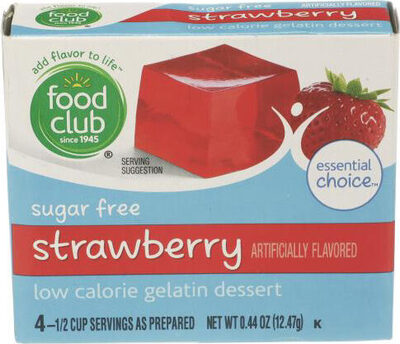
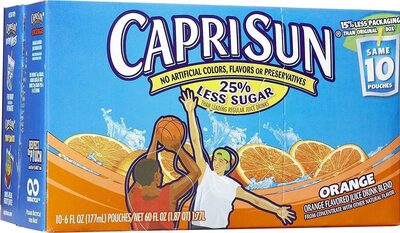
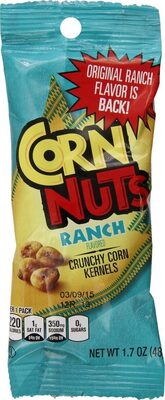
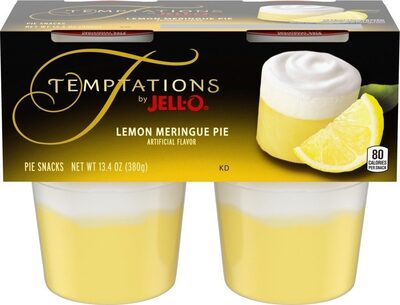
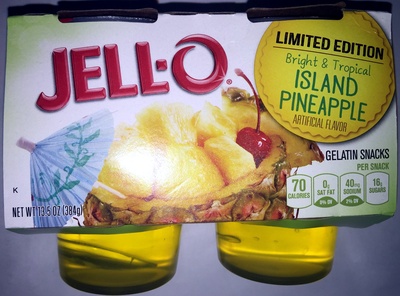
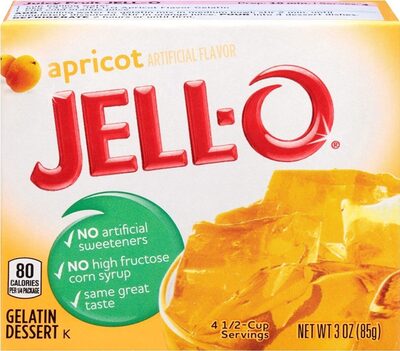
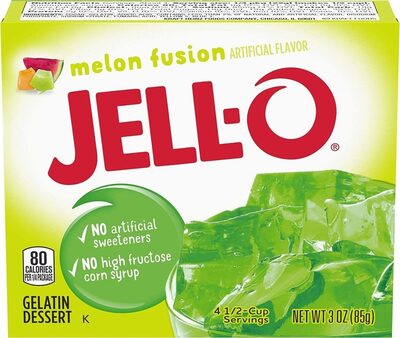
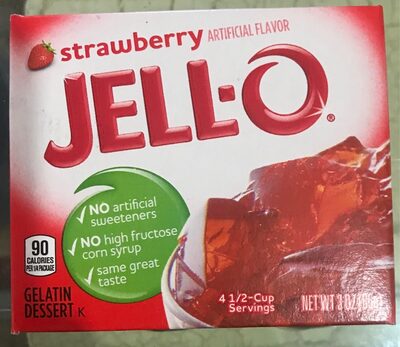
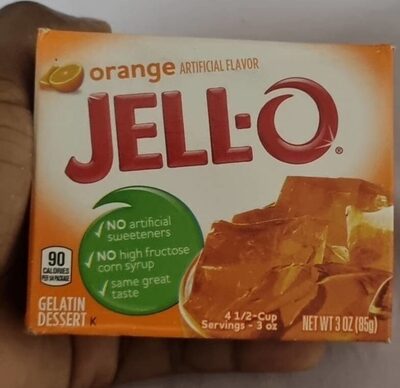
Foods that contain For Tartness
Compare products →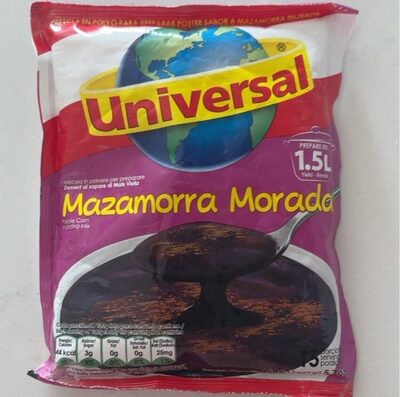
Auto-generated content. This description was generated automatically and is pending editorial review. Inaccuracies are possible. Found a mistake? Contact us.