Fractionated
Auto-generated content. This description was generated automatically and is pending editorial review. Inaccuracies are possible. Found a mistake? Contact us.
What it is
Fractionated refers to the process of separating fats or oils into different components based on their melting points. This is typically done by chilling the oil and then separating the solid fats from the liquid oils. The resulting components can have different textures and properties, making them useful in food applications.
Why it's used
Fractionation is used to create fats and oils with specific melting characteristics and textures. It is often used in confectionery, baking, and dairy products to improve mouthfeel, prevent blooming in chocolate, and create stable shortenings. Foods like candy, chocolate, and dessert toppings often benefit from the controlled properties of fractionated fats.
Health notes
Fractionated fats are generally recognized as safe (GRAS) by the FDA for use in food. They are primarily composed of fatty acids, and their health effects are similar to those of the original fats from which they are derived. Regulatory bodies like JECFA and EFSA have evaluated fats and oils, but specific evaluations of the 'fractionated' process itself are not typically highlighted. The health impact depends on the overall diet and the type of fat consumed.
Allergen info
Fractionated fats are not derived from any of the nine major allergens. Gluten is also not present unless the fractionated fat is used in a product that contains gluten.
Products containing Fractionated
Compare products →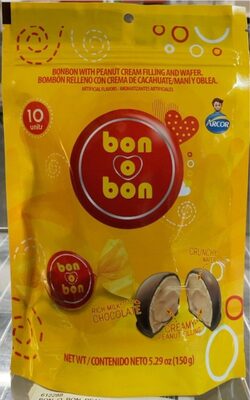 Peanut Cream Filling And Wafer Bonbon
533kcal
10Protein
33.3Fat
53.3Carbs
Peanut Cream Filling And Wafer Bonbon
533kcal
10Protein
33.3Fat
53.3Carbs
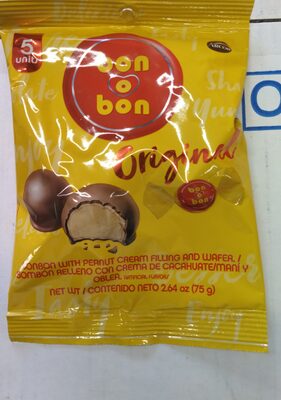 Original With Peanut Cream Filling And Wafer Bonbon
533kcal
10Protein
33.3Fat
53.3Carbs
Original With Peanut Cream Filling And Wafer Bonbon
533kcal
10Protein
33.3Fat
53.3Carbs
 Bon O Bon Chocolate, 9.52 Oz
533kcal
10Protein
33.3Fat
53.3Carbs
Bon O Bon Chocolate, 9.52 Oz
533kcal
10Protein
33.3Fat
53.3Carbs
 Strawberry Choco Bonbon With Wafer And Strawberry And Chocolate Flavored Filling, Strawberry Choco
600kcal
6.7Protein
40Fat
53.3Carbs
Strawberry Choco Bonbon With Wafer And Strawberry And Chocolate Flavored Filling, Strawberry Choco
600kcal
6.7Protein
40Fat
53.3Carbs
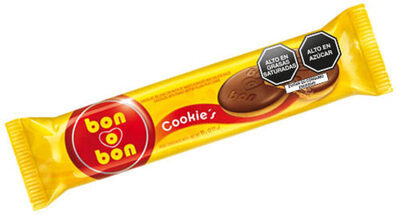 Pate Recordings
Sweet Cookie With Chocolate Filled With Peanut Paste, Sweet Cookie
High in saturated fat — 20% DV per serving
High in added sugars — 24% DV per serving
517kcal
6.9Protein
27.6Fat
58.6Carbs
Pate Recordings
Sweet Cookie With Chocolate Filled With Peanut Paste, Sweet Cookie
High in saturated fat — 20% DV per serving
High in added sugars — 24% DV per serving
517kcal
6.9Protein
27.6Fat
58.6Carbs