Fully Hydrogenated Oils
What is Fully Hydrogenated Oils?
Fully hydrogenated oils are vegetable oils that have undergone a process called hydrogenation. This process adds hydrogen atoms to the oil molecules, making them solid or semi-solid at room temperature. Unlike partially hydrogenated oils, fully hydrogenated oils contain very little to no trans fat.
Is Fully Hydrogenated Oils vegan?
Fully Hydrogenated Oils is not animal-derived. Products that contain it can still include other animal-derived ingredients, so check the full ingredient list.
Is Fully Hydrogenated Oils a major allergen?
Fully hydrogenated oils are typically made from vegetable oils such as soybean, palm, or peanut oil.
What is Fully Hydrogenated Oils used for?
Manufacturers use fully hydrogenated oils to improve the texture, stability, and shelf life of foods.
Is Fully Hydrogenated Oils safe?
The FDA generally recognizes fully hydrogenated oils as safe (GRAS) when they meet certain specifications.
Why it's used
Manufacturers use fully hydrogenated oils to improve the texture, stability, and shelf life of foods. They are often found in products like nut butters, baked goods, and confectionery to provide creaminess and prevent oil separation.
Health notes
The FDA generally recognizes fully hydrogenated oils as safe (GRAS) when they meet certain specifications. JECFA has evaluated hydrogenated oils. Fully hydrogenated oils are not associated with the same health concerns as partially hydrogenated oils (PHOs), which are no longer considered GRAS by the FDA since 2018 due to their trans fat content.
Allergen info
Fully hydrogenated oils are typically made from vegetable oils such as soybean, palm, or peanut oil. The source oil may be a major allergen, so consumers should check the ingredient list for specific oil types.
Foods that contain Fully Hydrogenated Oils
Compare products →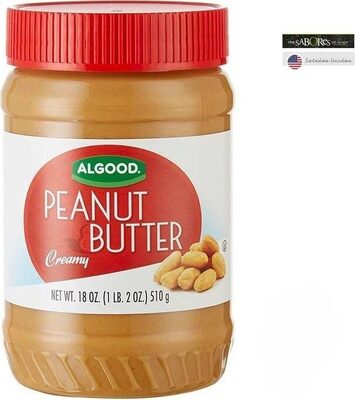
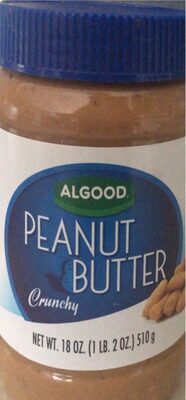
Learn more
Auto-generated content. This description was generated automatically and is pending editorial review. Inaccuracies are possible. Found a mistake? Contact us.