Fully & Non Hydrogenated Vegetable Oil
Auto-generated content. This description was generated automatically and is pending editorial review. Inaccuracies are possible. Found a mistake? Contact us.
What it is
Fully and non-hydrogenated vegetable oil is a blend of different plant-based oils. These oils are extracted from various plants, such as soybean, palm, sunflower, or canola. Hydrogenation is a process that adds hydrogen to liquid vegetable oils, making them more solid and stable; 'fully hydrogenated' means the oil has been processed to its maximum extent, while 'non-hydrogenated' means it has not undergone this process.
Why it's used
Manufacturers add this ingredient to foods to provide texture, improve mouthfeel, and enhance stability. It also serves as a fat source in many products. It is commonly found in items like frozen desserts, cakes, and snack cakes.
Health notes
In the US, various vegetable oils are generally recognized as safe (GRAS) by the FDA. Partially hydrogenated oils (PHOs) are no longer GRAS since 2018, which removed most artificial trans fat from the food supply. However, fully hydrogenated oils do not contain artificial trans fats, and non-hydrogenated vegetable oils are also generally recognized as safe. This ingredient, as a blend of fully and non-hydrogenated oils, is not expected to contain artificial trans fats. JECFA and EFSA have evaluated various vegetable oils and fats, and their safety is generally recognized.
Allergen info
Depending on the source, vegetable oil may be derived from major allergens such as soy. If derived from a major allergen, it must be declared on the food label.
Products containing Fully & Non Hydrogenated Vegetable Oil
Compare products →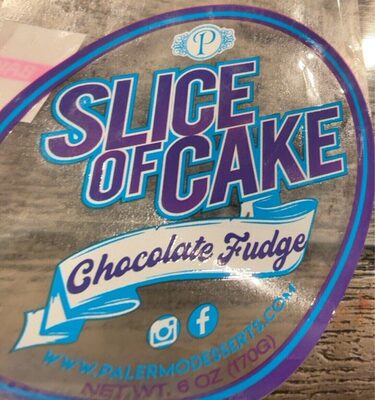 Charles River Media
Chocolate Fudge Cake Slice, Chocolate
High in saturated fat — 25% DV per serving
High in added sugars — 68% DV per serving
424kcal
3.5Protein
21.2Fat
55.3Carbs
PALERMOS WHOLESALE
7 Inch Chocolate Fudge Cake, Chocolate Fudge
High in saturated fat — 22% DV per serving
High in added sugars — 64% DV per serving
425kcal
2.5Protein
21.2Fat
56.2Carbs
PALERMOS WHOLESALE
7 Inch Chocolate Mousse Cake, Chocolate Mousse
High in saturated fat — 40% DV per serving
High in added sugars — 50% DV per serving
425kcal
2.5Protein
23.8Fat
50Carbs
PALERMOS WHOLESALE
5In Chocolate Mousse Cake, Chocolate
High in saturated fat — 40% DV per serving
High in added sugars — 58% DV per serving
488kcal
3.6Protein
27.4Fat
57.1Carbs
PALERMOS WHOLESALE
5In Fudge Cake
High in saturated fat — 25% DV per serving
High in added sugars — 74% DV per serving
488kcal
3.6Protein
25Fat
63.1Carbs
Charles River Media
Chocolate Fudge Cake Slice, Chocolate
High in saturated fat — 25% DV per serving
High in added sugars — 68% DV per serving
424kcal
3.5Protein
21.2Fat
55.3Carbs
PALERMOS WHOLESALE
7 Inch Chocolate Fudge Cake, Chocolate Fudge
High in saturated fat — 22% DV per serving
High in added sugars — 64% DV per serving
425kcal
2.5Protein
21.2Fat
56.2Carbs
PALERMOS WHOLESALE
7 Inch Chocolate Mousse Cake, Chocolate Mousse
High in saturated fat — 40% DV per serving
High in added sugars — 50% DV per serving
425kcal
2.5Protein
23.8Fat
50Carbs
PALERMOS WHOLESALE
5In Chocolate Mousse Cake, Chocolate
High in saturated fat — 40% DV per serving
High in added sugars — 58% DV per serving
488kcal
3.6Protein
27.4Fat
57.1Carbs
PALERMOS WHOLESALE
5In Fudge Cake
High in saturated fat — 25% DV per serving
High in added sugars — 74% DV per serving
488kcal
3.6Protein
25Fat
63.1Carbs