Geling Agent
What is Geling Agent?
Gelling agents are substances that form a gel, a semi-solid matrix that traps liquid. They can be derived from plants (like pectin from fruit, or carrageenan from seaweed), animals (like gelatin from collagen), or are produced through microbial fermentation. These agents are typically processed to extract their gelling properties.
Is Geling Agent gluten-free?
Gluten is not typically associated with gelling agents themselves.
Is Geling Agent a major allergen?
Gelling agents are not typically derived from the major allergens.
What is Geling Agent used for?
Manufacturers use gelling agents to give foods a thicker, more solid texture, similar to jelly or pudding.
Is Geling Agent safe?
Gelling agents are widely used and generally recognized as safe by the FDA when used as intended.
Why it's used
Manufacturers use gelling agents to give foods a thicker, more solid texture, similar to jelly or pudding. They are essential for creating the desired consistency in products like jams, jellies, desserts, and some dairy products. They can also be used to stabilize emulsions and prevent ingredients from separating in foods like salad dressings.
Health notes
Gelling agents are widely used and generally recognized as safe by the FDA when used as intended. Many have been evaluated by international bodies like JECFA and EFSA. For example, pectin and carrageenan are common plant-derived gelling agents. Gelatin, derived from animal collagen, is also widely used. While generally considered safe, some individuals may experience digestive discomfort with very high intakes of certain types, like carrageenan.
Allergen info
Gelling agents are not typically derived from the major allergens. However, some gelling agents might be processed in facilities that also handle allergens. Gluten is not typically associated with gelling agents themselves.
Foods that contain Geling Agent
Compare products →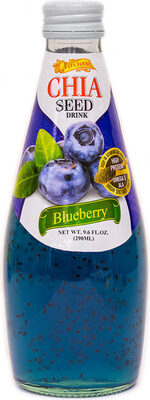
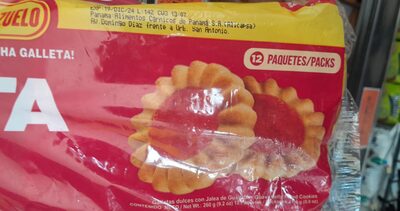
Learn more
Auto-generated content. This description was generated automatically and is pending editorial review. Inaccuracies are possible. Found a mistake? Contact us.