Gherkins
Auto-generated content. This description was generated automatically and is pending editorial review. Inaccuracies are possible. Found a mistake? Contact us.
What it is
Gherkins are small pickled cucumbers. They are typically made by harvesting immature cucumbers and pickling them in a brine of vinegar, salt, and spices. This process preserves the cucumber and gives it a distinct tangy flavor.
Why it's used
Gherkins are most often used as a condiment or ingredient in dishes like sandwiches, salads, and relishes. Their crunchy texture and sour taste add a unique flavor profile to a variety of foods. They are commonly found in pickle jars, sandwich spreads, and as a side to many meals.
Health notes
Gherkins are generally recognized as safe (GRAS) by the FDA as a food ingredient. As a pickled vegetable, they are a source of sodium due to the brine. Regulatory bodies like JECFA and EFSA have evaluated similar pickled products, but specific health evaluations for 'gherkins' as a distinct ingredient are not widely published. Consuming them in moderation as part of a balanced diet is typical.
Allergen info
Gherkins are not derived from any of the nine major allergens recognized by the FDA. They do not contain gluten.
Products containing Gherkins
Compare products →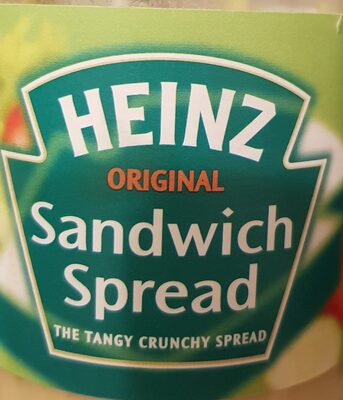 HEINZ
Sandwich Spread, Original
219kcal
0.9Protein
13Fat
23.7Carbs
HEINZ
Sandwich Spread, Original
219kcal
0.9Protein
13Fat
23.7Carbs
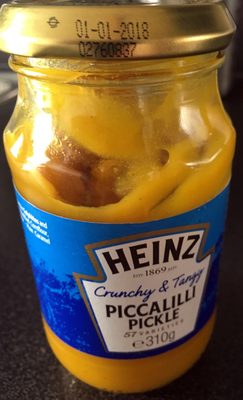 HEINZ
Crunchy & Tangy Piccalilli Pickle
660kcal
7.3Protein
3.3Fat
136Carbs
HEINZ
Crunchy & Tangy Piccalilli Pickle
660kcal
7.3Protein
3.3Fat
136Carbs
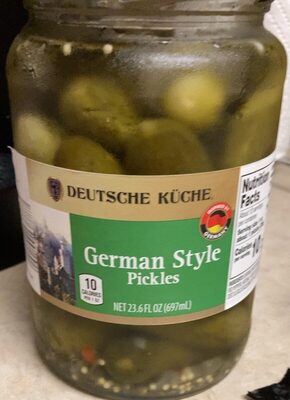 DEUTSCHE KUCHE
German Style Pickles, German Style
36kcal
0Protein
0Fat
7.1Carbs
DEUTSCHE KUCHE
German Style Pickles, German Style
36kcal
0Protein
0Fat
7.1Carbs
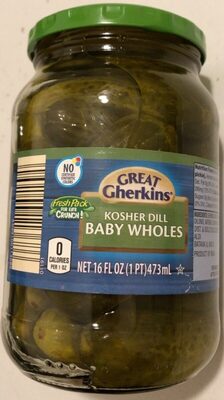 GREAT GHERKINS
Baby Wholes Kosher Dill
0kcal
0Protein
0Fat
0Carbs
GREAT GHERKINS
Baby Wholes Kosher Dill
0kcal
0Protein
0Fat
0Carbs
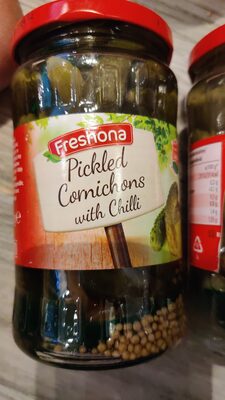 LIDL
Spicy Cornichons Pickled Gherkins With Red Chili Pepper, Spicy
50kcal
0Protein
0Fat
10Carbs
LIDL
Spicy Cornichons Pickled Gherkins With Red Chili Pepper, Spicy
50kcal
0Protein
0Fat
10Carbs
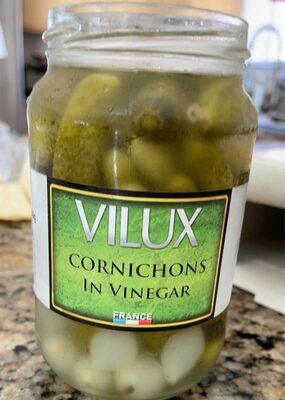 Life Is The Pits
Cornichons In Vinegar
113kcal
6.7Protein
3.3Fat
21.3Carbs
Sophia Foods Inc.
Old Fashioned Sweet Relish Pickles, Old Fashioned
67kcal
0.7Protein
0Fat
16.7Carbs
Sophia Foods Inc.
Old Fashioned Kosher Hamburger Chips, Old Fashioned
10kcal
0.3Protein
0Fat
1.7Carbs
United Natural Foods, Inc.
Lightly Smoked Hot Spiced Sardines
225kcal
25.4Protein
14.6Fat
0Carbs
Cowrind Studios, Inc.
Giardiniera, Mild
179kcal
0Protein
16.1Fat
7.1Carbs
United Natural Foods, Inc.
Musette, Cocktail Cornichons, French Recipe
17kcal
0Protein
0Fat
3.3Carbs
Life Is The Pits
Cornichons In Vinegar
113kcal
6.7Protein
3.3Fat
21.3Carbs
Sophia Foods Inc.
Old Fashioned Sweet Relish Pickles, Old Fashioned
67kcal
0.7Protein
0Fat
16.7Carbs
Sophia Foods Inc.
Old Fashioned Kosher Hamburger Chips, Old Fashioned
10kcal
0.3Protein
0Fat
1.7Carbs
United Natural Foods, Inc.
Lightly Smoked Hot Spiced Sardines
225kcal
25.4Protein
14.6Fat
0Carbs
Cowrind Studios, Inc.
Giardiniera, Mild
179kcal
0Protein
16.1Fat
7.1Carbs
United Natural Foods, Inc.
Musette, Cocktail Cornichons, French Recipe
17kcal
0Protein
0Fat
3.3Carbs