Glass Noodle
What is Glass Noodle?
Glass noodles are a type of transparent noodle made from starch, most commonly from mung beans, but sometimes from sweet potatoes or canna starch. The starch is mixed with water to create a slurry, which is then cooked and extruded into thin strands. These noodles are typically dried before packaging.
Is Glass Noodle vegan?
Glass Noodle is not animal-derived. Products that contain it can still include other animal-derived ingredients, so check the full ingredient list.
Is Glass Noodle gluten-free?
They are typically gluten-free, as they are made from starch sources like mung beans or sweet potatoes, not wheat.
Is Glass Noodle a major allergen?
Glass noodles are not derived from any of the nine major allergens.
What is Glass Noodle used for?
Glass noodles are used as a thickener and to add a chewy texture to dishes.
Is Glass Noodle safe?
Glass noodles are primarily a source of carbohydrates.
Why it's used
Glass noodles are used as a thickener and to add a chewy texture to dishes. They are popular in Asian cuisine, appearing in soups, stir-fries, spring rolls, and noodle salads. Their neutral flavor allows them to absorb the tastes of other ingredients.
Health notes
Glass noodles are primarily a source of carbohydrates. They are not typically subject to specific FDA regulations as a food additive. Regulatory bodies like JECFA and EFSA have not specifically evaluated glass noodles as a distinct food ingredient for safety assessments, as they are considered a foodstuff. No significant health controversies are associated with their consumption at typical dietary levels.
Allergen info
Glass noodles are not derived from any of the nine major allergens. They are typically gluten-free, as they are made from starch sources like mung beans or sweet potatoes, not wheat.
Foods that contain Glass Noodle
Compare products →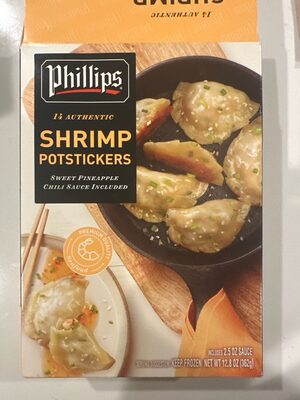
Learn more
Auto-generated content. This description was generated automatically and is pending editorial review. Inaccuracies are possible. Found a mistake? Contact us.